Chemical reaction
Videos
A chemical reaction is a process that leads to the chemical transformation of one set of chemical substances to another.
A thermite reaction using iron(III) oxide. The sparks flying outwards are globules of molten iron trailing smoke in their wake.


Antoine Lavoisier developed the theory of combustion as a chemical reaction with oxygen.

As seen from the equation CH4 + 2O2 → CO2 + 2 H2O, a coefficient of 2 must be placed before the oxygen gas on the reactants side and before the water on the products side so that, as per the law of conservation of mass, the quantity of each element does not change during the reaction.

Sodium chloride is formed through the redox reaction of sodium metal and chlorine gas
Redox
Videos
Redox is a type of chemical reaction in which the oxidation states of the reactants change. Oxidation is the loss of electrons or an increase in the oxidation state. Reduction is the gain of electrons
Chemical reaction
…because there is more thermal energy available to reach the activation energy necessary for breaking bonds between atoms. A reaction may be classified as redox in which oxidation and reduction occur or non-redox in which there is no oxidation and reduction occurring. Most simple redox reactions may be classified…

Oxides, such as iron(III) oxide or rust, which consists of hydrated iron(III) oxides Fe2O3·nH2O and iron(III) oxide-hydroxide (FeO(OH), Fe(OH)3), form when oxygen combines with other elements.

Iron rusting in pyrite cubes
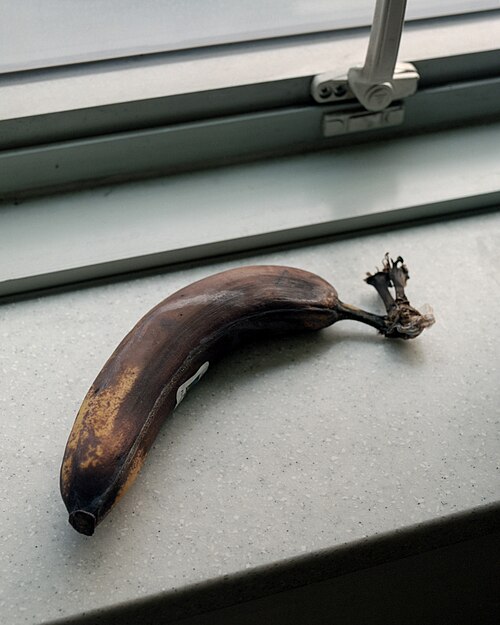
Enzymatic browning is an example of a redox reaction that takes place in most fruits and vegetables.

Blast furnaces of Třinec Iron and Steel Works, Czech Republic