Chemical warfare
Videos
Chemical warfare involves using the toxic properties of chemical substances as weapons. This type of warfare is distinct from nuclear warfare, biological warfare and radiological warfare, which togeth

John Singer Sargent's iconic World War I painting: Gassed, showing blind casualties on a battlefield after a mustard gas attack

Japanese Special Naval Landing Forces with gas masks and rubber gloves during a chemical attack near Zhabei in the Battle of Shanghai

A Swedish Army soldier wearing a chemical agent protective suit (C-vätskeskydd) and protection mask (skyddsmask 90)
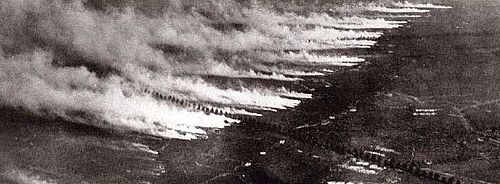
Dispersion of chlorine in World War I
Biological warfare
Videos
Biological warfare, also known as germ warfare, is the use of biological toxins or infectious agents such as bacteria, viruses, insects, and fungi with the intent to kill, harm or incapacitate humans,
Chemical warfare
…Chemical warfare (CW) involves using the toxic properties of chemical substances as weapons. This type of warfare is distinct from nuclear warfare, biological warfare and radiological warfare, which together make up CBRN, the military acronym for chemical, biological, radiological, and nuclear (warfare or weapons…

U.S. Air Force Master Sgt. Jess V. Hernandez, right, assigned to the 119th Maintenance Squadron, leads Airmen through extreme cold, harsh winds and snow on their way to chemical and biological warfare training

Shirō Ishii, commander of Unit 731, which performed human vivisections and other biological experimentation

Researchers working in Class III cabinets at the US Army Biological Warfare Laboratories, Camp Detrick, Maryland (1940s).

US authorities granted Unit 731 officials immunity from prosecution in return for access to their research.