In Chinese alchemy, elixir poisoning refers to the toxic effects from elixirs of immortality that contained metals and minerals such as mercury and arsenic. The official Twenty-Four Histories record n
Chinese woodblock illustration of a waidan alchemical refining furnace, 1856 Waike tushuo 外科圖説 (Illustrated Manual of External Medicine)


Chinese woodblock illustration of a neidan practice "Putting the miraculous elixir into the ding tripod", 1615 Xingming guizhi (Pointers on Spiritual Nature and Bodily Life)

Jade burial suit of Nanyue King Zhao Mo (d. 122 BCE)

The preserved body of Xin Zhui (d. 163 BCE)
Yongzheng Emperor
Videos
The Yongzheng Emperor, also known by his temple name Emperor Shizong of Qing, personal name Yinzhen, was the fourth emperor of the Qing dynasty, and the third Qing emperor to rule over China proper.
Chinese alchemical elixir poisoning
…taking elixirs to prolong their lifespans. The first emperor to die from elixir poisoning was likely Qin Shi Huang (d. 210 BCE) and the last was the Yongzheng Emperor (d. 1735 CE). Despite common knowledge that immortality potions could be deadly, fangshi and Daoist alchemists continued the elixir-making practice for…

Portrait scroll in court attire, 18th century

The young Yongzheng Emperor, as Grand Prince Yong

Armoured Yongzheng
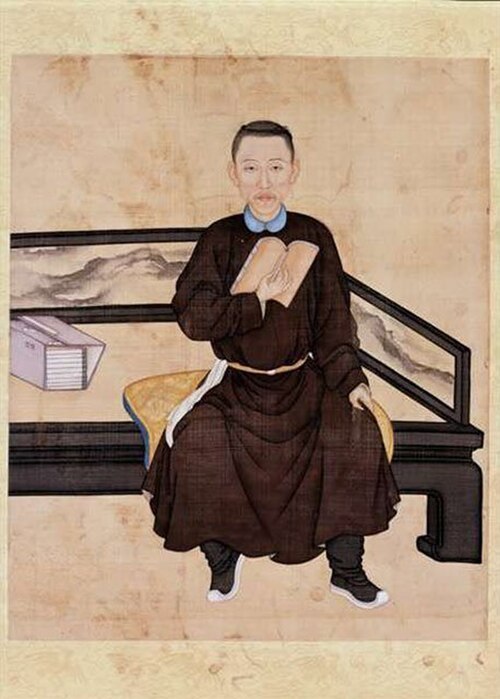
Prince Yinzhen (the future Yongzheng Emperor) reading a book