Chittor Fort
Videos
Chittor Fort, also known as Chittod Fort, is one of the largest forts in India. It is a UNESCO World Heritage Site. The fort was the capital of Mewar and is located in the present-day city of Chittorg
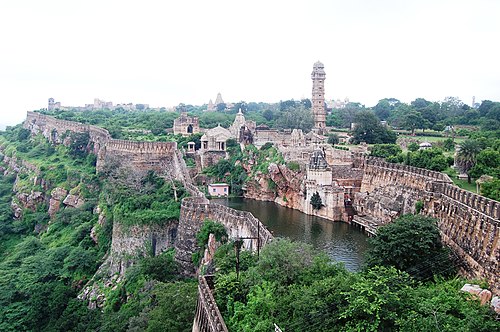
A view of Chittorgarh Fort, Rajasthan, India

A painting of the fort by Marianne North, 1878
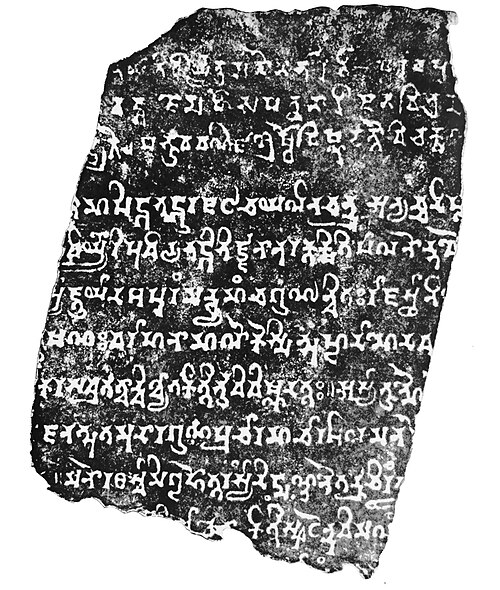
Chittorgarh fragmentary inscriptions of the Naigamas, first half of the 6th century CE

An 1878 painting by Marianne North
The siege of Chittorgarh was the military expedition of the Mughal Empire under Akbar against the Kingdom of Mewar that commenced in 1567 during which the Mughals successfully captured the fort of Chi
Chittor Fort
…self-immolation on the funeral pyre) as 3,200 Rajput warriors rushed out of the fort to fight till death (Saka) and died in the ensuing battle. The final Siege of Chittorgarh came 33 years later, in 1567, when the Mughal Emperor Akbar attacked the fort. Akbar wanted to conquer Mewar, which was being ruled by Rana Uday Singh…

Miniature painting of a mine exploding during the siege of Chittorgarh in the Akbarnama, c. 1590–95.

Akbar shoots the Rajput commander, Jaimal, using a matchlock, Akbarnama, 1590–1595

20th century artistic description of the Jauhar ceremony