Choral symphony
Videos
A choral symphony is a musical composition for orchestra, choir, and sometimes solo vocalists that, in its internal workings and overall musical architecture, adheres broadly to symphonic musical form
Hector Berlioz was the first to use the term "choral symphony" for a musical composition—his Roméo et Juliette.

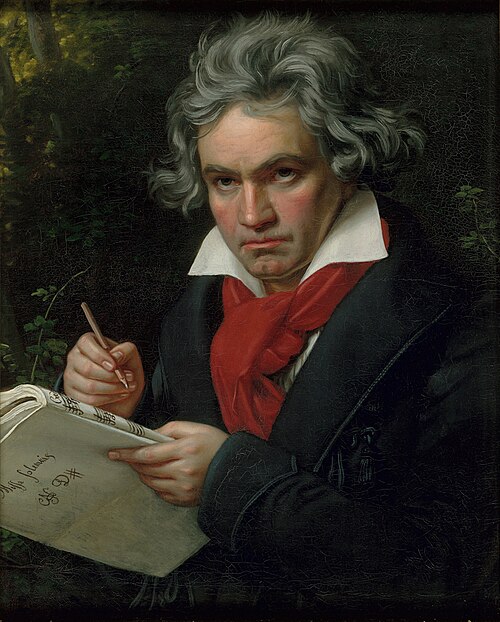
Ludwig van Beethoven redefined the symphony genre by introducing words and voices in his Ninth Symphony.

Walt Whitman's use of free verse became appreciated by composers seeking a more fluid approach to setting text.
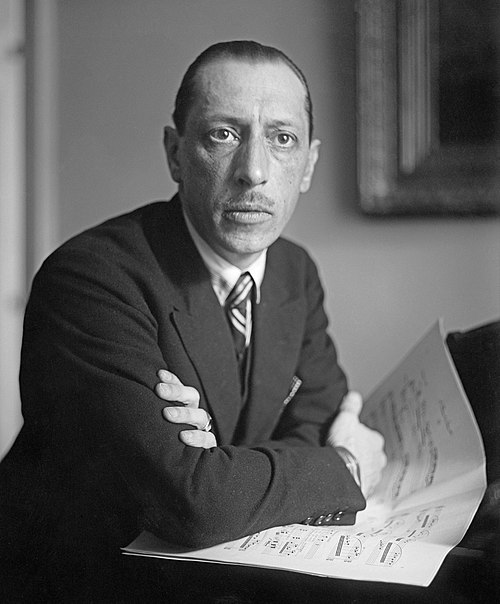
Igor Stravinsky used chorus and orchestra in his Symphony of Psalms "on an equal footing".
Symphony No. 8 (Mahler)
Videos
The Symphony No. 8 in E-flat major by Gustav Mahler is one of the largest-scale choral works in the classical concert repertoire. As it requires huge instrumental and vocal forces it is frequently cal
Choral symphony
…writing his Fifth, Sixth and Seventh Symphonies as purely instrumental works, Mahler returned to the vein of "festival-symphonic ceremonial" in his Eighth Symphony, which integrates text throughout the body of the work. After Mahler, the choral symphony became a more common genre, taking a number of compositional…

Mahler's composing hut at Maiernigg, where the Eighth Symphony was composed in summer 1906

A ticket for the premiere of the Eighth Symphony, Munich, 12 September 1910

The Neue Musik-Festhalle, venue of the premiere, now part of the transportation centre of the Deutsches Museum

Program for the US premiere of Mahler's Eighth Symphony, Philadelphia, March 1916