Christoph II von Dohna
Videos
Christoph II, Burggraf and Count of Dohna-Schlodien was a Prussian general. He was the son of Christopher I, Burgrave and Count of Dohna-Schlodien (1665–1733). He served in the armies of Frederick William I of Prussia and his son, Frederick II, in the Silesian and Seven Years' wars. He was particularly successful at the Battle of Gross-Jägersdorf, and instrumental in relieving Siege of Kolberg.

Christoph II is memorialized on the Equestrian Statue of Frederick the Great in Berlin

Residence in Gładysze (Schlodien). The service of younger sons in the Prussian Army firmly united the Prussian elite with the Prussian state. The kings rewarded service with estates and honors. Dohna spent little time at his estate; the King wanted him either in Berlin or in the field.
Junker (Prussia)
Videos
The Junkers were members of the landed nobility in Prussia. They owned great estates that were maintained and worked by peasants with few rights. These estates often lay in the countryside outside of major cities or towns. They were an important factor in Prussian and, after 1871, German military, political and diplomatic leadership. The most famous Junker was Chancellor Otto von Bismarck. Bismarck held power in Germany from 1871 to 1890 as Chancellor of the German Empire. He was removed from power by Kaiser Wilhelm II.
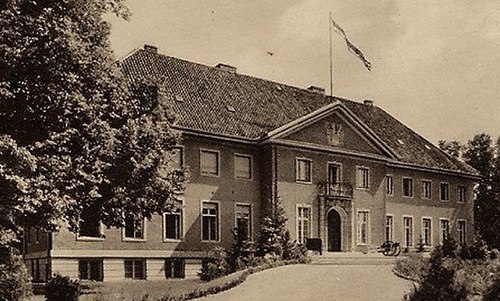
Rittergut Neudeck, East Prussia (today Ogrodzieniec, Poland), presented to German President Paul von Hindenburg in 1928

1985 Bodenreform memorial in Wolfshagen, Uckermark
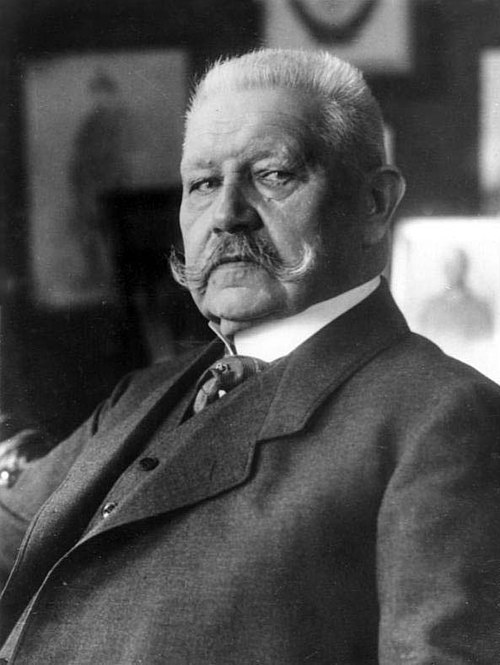
Image: Bundesarchiv Bild 183 C06886, Paul v. Hindenburg