Church of Ireland
Videos
The Church of Ireland is a Christian church in Ireland, and an autocephalous member church of the Anglican Communion. It is organised on an all-Ireland basis and is the second-largest Christian church

St Patrick's Cathedral, Armagh, seat of the Primate of All Ireland

Henry II with Thomas Becket; the 1155 intervention was the start of efforts to Anglicise the Irish church
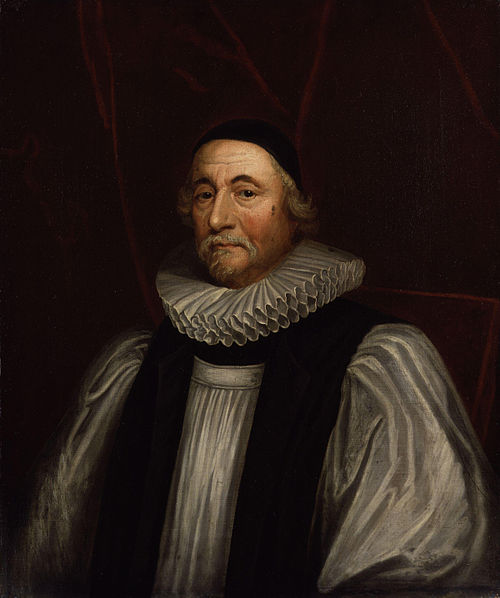
James Ussher, Archbishop of Armagh

The Seven Bishops acquitted, June 1688; a key factor in the removal of James, five later became Non-Jurors
St Patrick's Cathedral is a Church of Ireland cathedral in Armagh, Northern Ireland. It is the seat of the Anglican Archbishop of Armagh and Diocese of Armagh. The origins of the site are as a 5th-cen
Church of Ireland
…for Ireland in 1870. Cathedrals also exist in the other dioceses. There is also the metropolitan cathedral church of Ireland, situated in Armagh, St Patrick's Cathedral. This cathedral is the seat of the archbishop and metropolitan, John McDowell. The church's central offices are in Rathmines, adjacent to the former…

St Patrick's Cathedral sign, November 2009