Classical Athens
Videos
Athens, was a prominent polis of ancient Greece, located in the peninsula of Attica. Athenian democracy was established in 508 BC and remained in place for almost two centuries except for a few brief
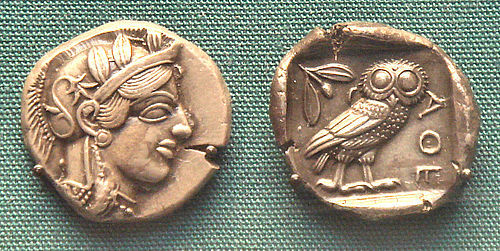
Early Athenian coin, 5th century BC. British Museum

The Acropolis imagined in an 1846 painting by Leo von Klenze

The Temple of Hephaestus in modern-day Athens

Artist's impression of the Theatre of Dionysus
Athens
Videos
Athens is the capital and largest city of Greece. A significant coastal urban area in the Mediterranean, Athens is also the capital of the Attica region and is the southernmost capital on the European
Classical Athens
…Mediterranean up until the start of the Hellenistic period following the death of Alexander the Great. The earliest evidence for human habitation in Athens dates back to the Neolithic period. The Acropolis served as a fortified center during the Mycenaean era. Theseus is considered the mythical founder of…
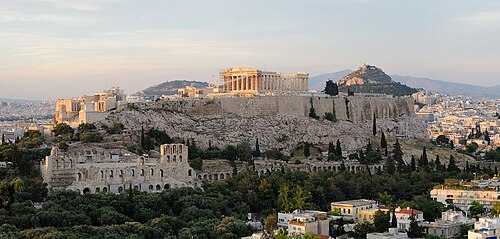

Athens Acropolis at Daybreak

Zappeion Megaron on February 3, 2021

Πλατεία Μοναστηρακίου 3645

The Metropolitan Cathedral of Athens in April 2019