Classical mechanics
Videos
In physics, classical mechanics is a theory that describes the effect of forces on the motion of macroscopic objects and bulk matter, without considering quantum effects, and often without incorporati
Sir Isaac Newton (1643–1727), an influential figure in the history of physics and whose three laws of motion form the basis of classical mechanics


Lagrange's contribution was realising Newton's ideas in the language of modern mathematics, now called Lagrangian mechanics.
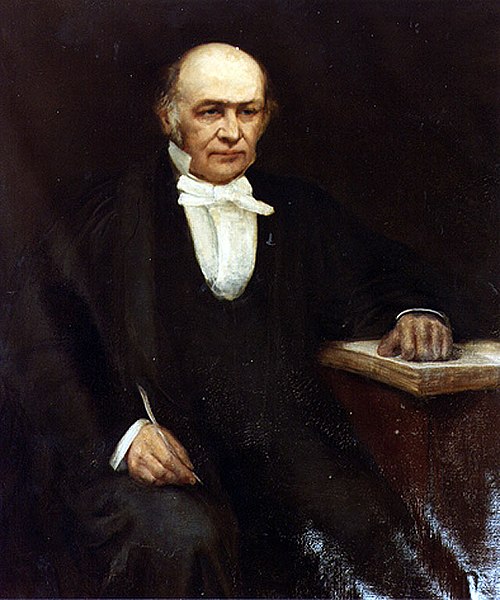
Hamilton developed an alternative to Lagrangian mechanics now called Hamiltonian mechanics.
Quantum mechanics
Videos
Quantum mechanics, also known as quantum physics, is the fundamental physical theory that describes the behavior of matter and of light; the behaviors it models typically occur at and below the scale
Classical mechanics
…physics, classical mechanics is a theory that describes the effect of forces on the motion of macroscopic objects and bulk matter, without considering quantum effects, and often without incorporating relativistic effects either. It is used in describing the motion of objects such as projectiles and particles…

A simplified diagram of quantum tunneling, a phenomenon by which a particle may move through a barrier which would be impossible under classical mechanics
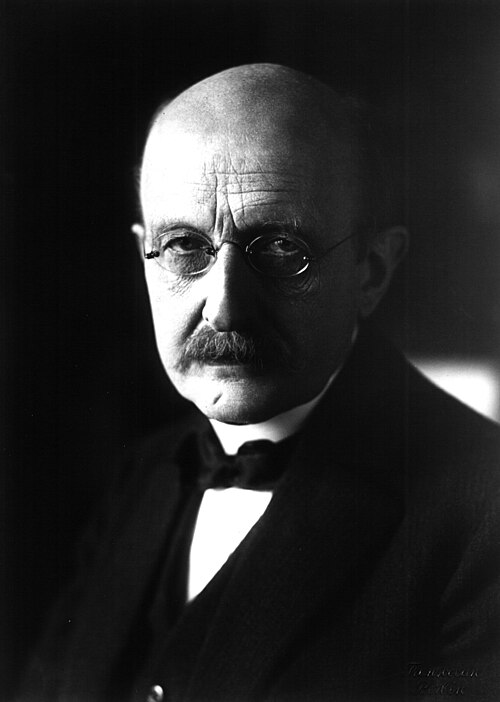
Max Planck is considered the father of the quantum theory.

The 1927 Solvay Conference in Brussels was the fifth world physics conference.