Clerkenwell explosion
Videos
The Clerkenwell explosion, also known as the Clerkenwell Outrage, was a bombing attack carried out by the Irish Republican Brotherhood in London on 13 December 1867. Members of the IRB, who were nickn

The House of Detention in Clerkenwell after the bombing; seen from within the prison yard

Portraits of the Manchester Martyrs – Michael O'Brien, William Philip Allen and Michael Larkin – in a shamrock

Visiting time at the Clerkenwell House of Detention, 1862
Fenians
Videos
The Fenians were Irish republican revolutionaries that sought to achieve the independence of Ireland from the British Empire in the second half of the 19th century and the early 20th century. The main
Clerkenwell explosion
…was a bombing attack carried out by the Irish Republican Brotherhood (IRB) in London on 13 December 1867. Members of the IRB, who were nicknamed "Fenians", exploded a bomb to try to free a member of their group who was being held on remand at Clerkenwell Prison. The explosion damaged nearby houses, killed…

Supplement given with the Weekly Freeman of October 1883
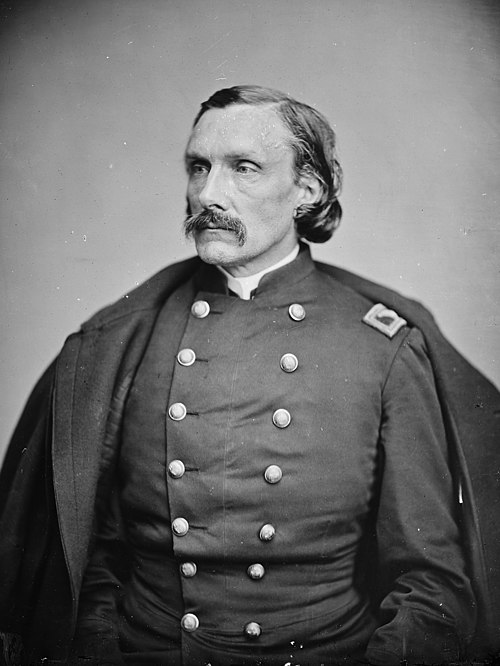
John O'Mahony

James Stephens
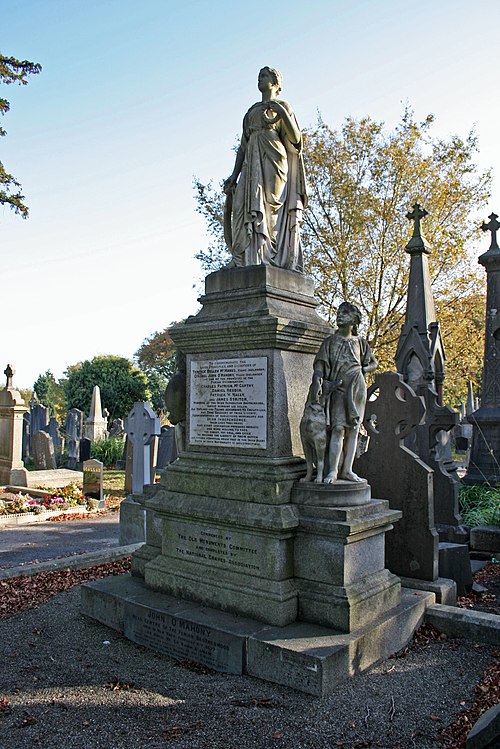
Fenian Plot, Glasnevin, Dublin