Coldrum Long Barrow
Videos
The Coldrum Long Barrow, also known as the Coldrum Stones and the Adscombe Stones, is a chambered long barrow located near the village of Trottiscliffe in the south-eastern English county of Kent. Pro

The eastern side of the monument, showing the surviving stone burial chamber at the top of the slope and fallen sarsens at the bottom

View of the monument from the west of it; the peristalith is in the foreground and the chamber to the rear

The chamber of the Coldrum Stones, as seen from their western side

The western edge of the monument
Ley line
Videos
Ley lines are straight alignments drawn between various historic structures, prehistoric sites, and prominent landmarks. The idea was developed in early 20th-century Europe, with ley line believers ar
Coldrum Long Barrow
…are shaped by older archaeological interpretations. The Pagans also cited the Megaliths as spots marking sources of "earth energy", often aligned on ley lines, an idea probably derived ultimately from the publications of Earth Mysteries proponents like John Michell. Pagans sometimes visit the site alone or…

The Malvern Hills in the United Kingdom, said by Alfred Watkins to have a ley line passing along their ridge

Watkins believed that the Long Man of Wilmington in Sussex depicted a prehistoric "dodman" with his equipment for determining a ley line.

In the 1960s writer John Michell (photographed in 2008) played a major role in promoting a belief in ley lines.
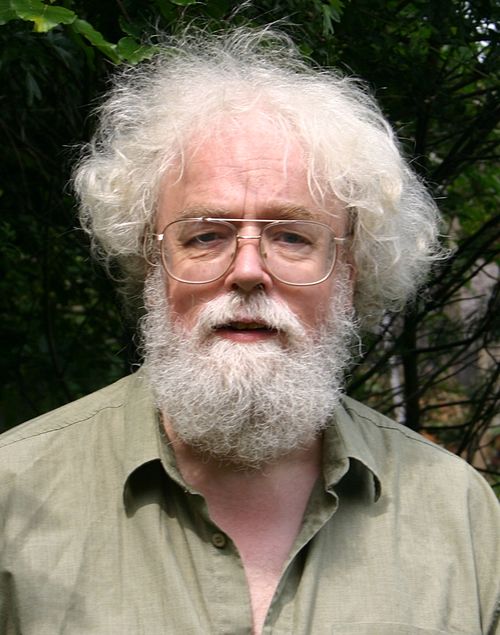
In the 1960s, Philip Heselton (pictured in 2005) established the Ley Hunter magazine.