Colloquies
Videos
Photos
Colloquies is one of the many works of the "Prince of Christian Humanists", Desiderius Erasmus. First published in 1518 as Latin dialogues for schoolboy exercises, the work expanded over the following decades with witty but more serious and controversial content. Among other things, the pages "...held up contemporary religious practices for examination in a more serious but still pervasively ironic tone".

Jacques Callot, Dolphins and Crocodile, etching c. 1615

Stone 14th century statue of Mary and Jesus, St Stephanus church, Beckum, Germany

Casket of Thomas a Beckett

Image: Colloquios de Erasmo 1532
Christian humanism
Videos
Photos
Christian humanism regards humanist principles like universal human dignity, individual freedom, and the importance of happiness as essential and principal or even exclusive components of the teachings of Jesus. Proponents of the term trace the concept to the Renaissance or patristic period, linking their beliefs to the scholarly movement also called 'humanism'.

Giovanni Mirandola

Erasmus
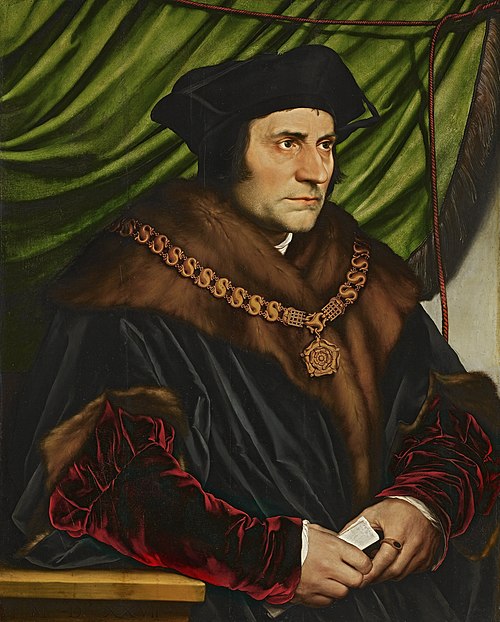
Thomas More
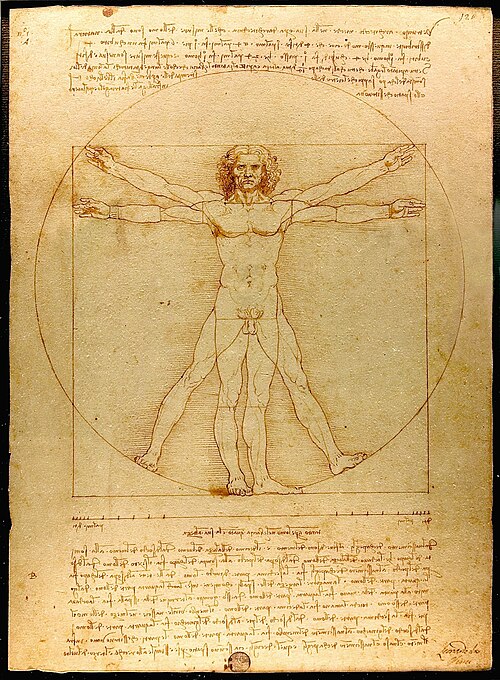
Leonardo da Vinci's Vitruvian Man (c. 1490) shows the correlations of ideal human body proportions with geometry described by the ancient Roman architect Vitruvius in his De Architectura. Vitruvius described the human figure as being like the principal source of proportion among the Classical orders of architecture.[relevant? – discuss]