Commander-in-Chief of the Forces, later Commander-in-Chief, British Army, or just Commander-in-Chief, was the title of the professional head of the English Army from 1660 to 1707 and of the British Ar
George cambridge 1819


Portrait of Frederick, Duke of York by David Wilkie, 1823. York held the post during the Napoleonic Wars
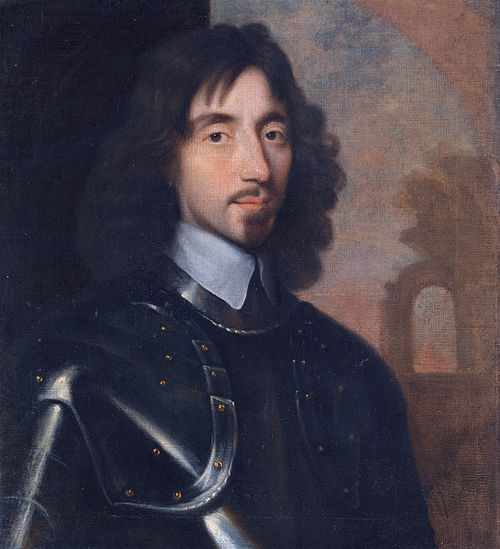
General Thomas Fairfax by Robert Walker and studio
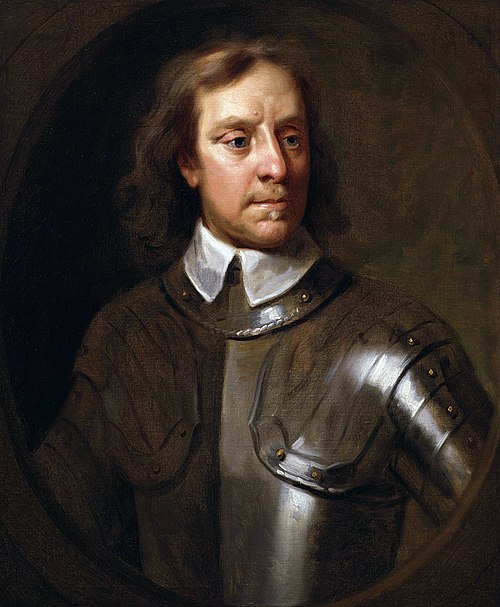
Oliver Cromwell by Samuel Cooper
Field Marshal Frederick Sleigh Roberts, 1st Earl Roberts, was a British Victorian era general who became one of the most successful British military commanders of his time. Born in India to an Anglo-I
Commander-in-Chief of the Forces
…holder Captain General Sir Thomas Fairfax as General-in-Chief FM Jeffery Amherst, 1st Lord Amherst as Commander-in-Chief of the Forces Final holder FM Frederick Roberts, 1st Earl Roberts Abolished 12 February 1904 Succession Chief of the General Staff Commander-in-Chief of the Forces, later Commander-in-Chief, British Army, or just…

The then General Roberts, c. 1894

Lieutenant Frederick Roberts finding the mortally wounded General Nicholson by the Kashmir Gate during the Siege of Delhi.

Roberts painting by George Frederic Watts

Lord Roberts enters Kimberley after the relief of the besieged city, February 1900