Contract
Videos
A contract is an agreement that specifies certain legally enforceable rights and obligations pertaining to two or more parties. A contract typically involves the transfer of goods, services, money, or a promise to transfer any of those at a future date, and the activities and intentions of the parties entering into a contract may be referred to as contracting. In the event of a breach of contract, the injured party may seek judicial remedies such as damages or equitable remedies such as specific performance or rescission. A binding agreement between actors in international law is known as a treaty.

A Sumerian contract for the sale of a field and house in around 2600 BCE. As sedentary civilisations began to develop during the Bronze Age, contracts emerged as a necessary part of daily economic life.

A hundi for Rs 2500 of 1951, stamped in the Bombay Province with a pre-printed revenue stamp. Hundis represent one of the earliest iterations of modern negotiable contracts.

The Carbolic Smoke Ball offer

Hugo Grotius, one of the jurists credited with the development of Roman Dutch law
Common law
Videos
In law, common law is the body of law created by judges and similar quasi-judicial tribunals by virtue of being stated in written opinions.


A 16th century edition of Corpus Juris Civilis Romani (1583)
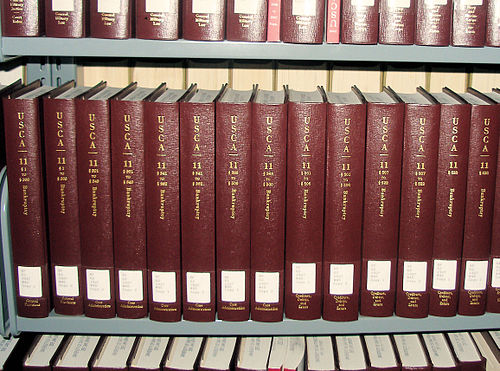
USCA: some annotated volumes of the official compilation and codification of federal statutes.
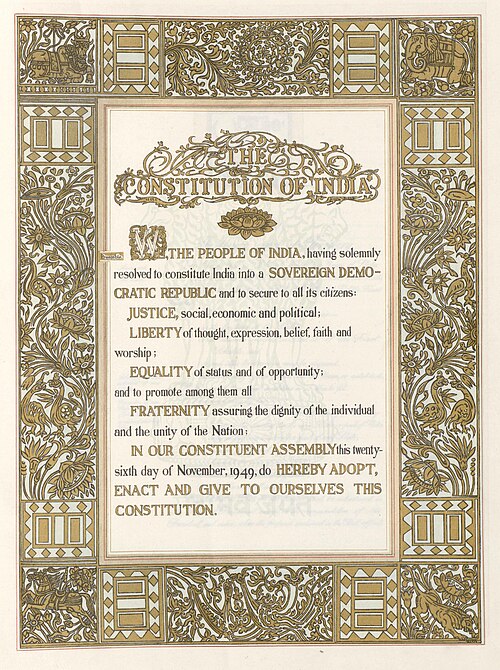
The Constitution of India is the longest written constitution for a country, containing 395 articles, 12 schedules, numerous amendments and 117,369 words.