Converso
Videos
A converso was a Jew who converted to Catholicism in Spain or Portugal, particularly during the 14th and 15th centuries, or one of their descendants.
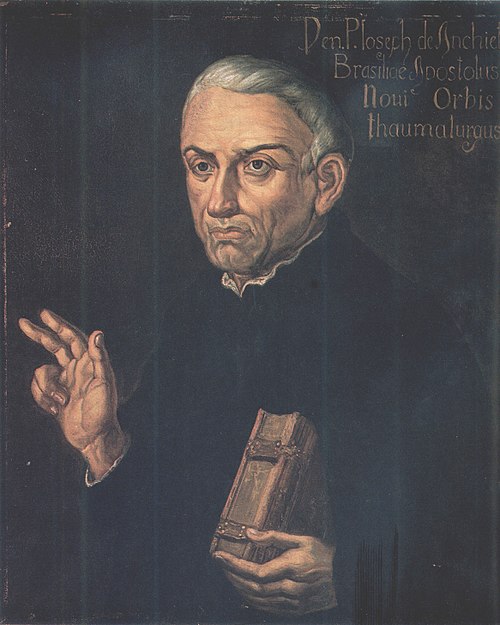
Saint Joseph of Anchieta (1534–1597), Spanish Jesuit missionary to Brazil and one of the founders of São Paulo and Rio de Janeiro. José de Anchieta was a descendant of Jewish converts through the maternal line.

Church of Montesión (Mount Zion) in Palma de Mallorca, the main church of Xuetas of Mallorca.
Spanish Inquisition
Videos
The Tribunal of the Holy Office of the Inquisition was authorized by Pope Sixtus IV in 1478 and the first inquisitors, Miguel de Morillo and Juan de San Martín, were appointed by the future Catholic M
Converso
…or one of their descendants. To safeguard the Old Christian population and ensure that the converso New Christians were true to their new faith, the Holy Office of the Inquisition was established in Spain in 1478. The Catholic Monarchs of Spain Ferdinand and Isabella expelled the remaining openly practising Jews by the Alhambra…

The Virgin of the Catholic Monarchs, 1491–1493. The Inquisitor, Torquemada, is behind King Ferdinand (left).

Torquemada is buried in the monastery of Saint Thomas at Ávila, and left his own epitaph Pestem Fugat Haereticam, meaning "drove away the pestilence of heresy".

Burning of heretics at stakes (auto-da-fé) in a marketplace during the Spanish Inquisition.

The burning of a Dutch Anabaptist, Anneken Hendriks, who was charged with heresy in Amsterdam (1571)