Crazy Horse
Videos
Crazy Horse was a Lakota war leader of the Oglala band and one of the most renowned Native American figures of the nineteenth century. Known for his commitment to defending Lakota lands and lifeways,

A 1934 sketch of Crazy Horse made by a Mormon missionary after interviewing Crazy Horse's sister, who claimed the depiction was accurate.

Artist's rendering of Crazy Horse and his band of Oglala on their way from Camp Sheridan to surrender to General Crook at Red Cloud Agency

A monument dedicated to Crazy Horse's memory. Although Crazy Horse was never named a Chief, he was honored as a Shirt Wearer.
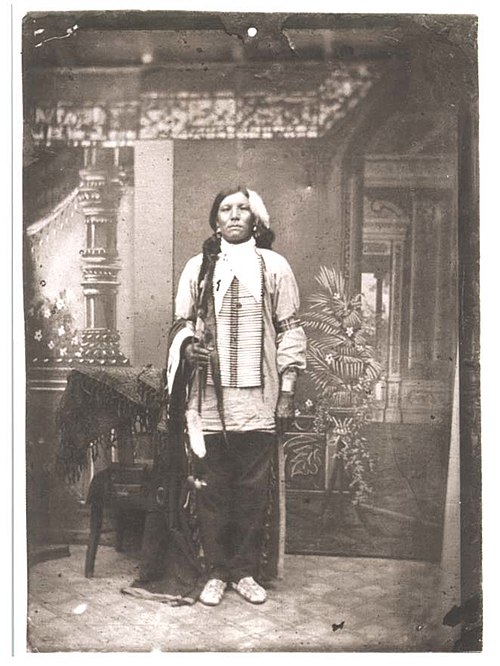
Alleged photo of Crazy Horse in 1877
Great Sioux War of 1876
Videos
The Great Sioux War of 1876, also known as the Black Hills War, was a series of battles and negotiations that occurred in 1876 and 1877 in an alliance of Lakota Sioux and Northern Cheyenne against the
Crazy Horse
…as a warrior and strategist earned him admiration among his own people and grudging respect from his adversaries. After months of pursuit during the Great Sioux War of 1876–1877, Crazy Horse surrendered to U.S. forces in May 1877, seeking to secure the survival of his band amid famine and military pressure. Tensions…

The Custer Fight Charles Marion Russell, 1903

Sitting Bull, a Hunkpapa, was one of the principal Sioux leaders.
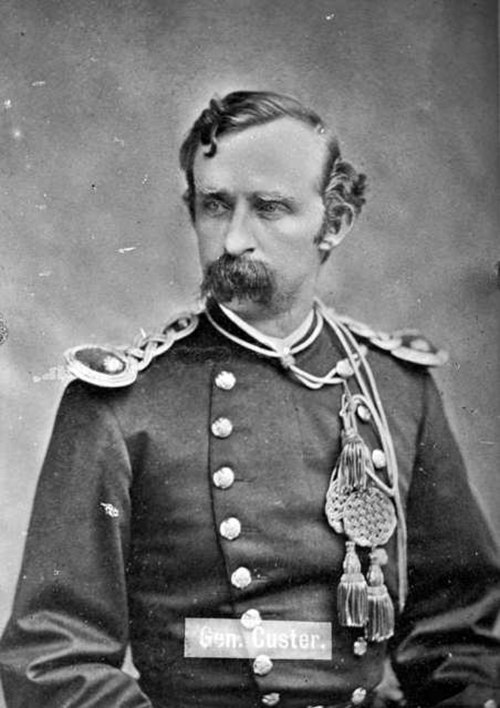
Lt. Col. George Armstrong Custer was killed at the Battle of the Little Bighorn along with 268 soldiers.

Custer and the last of his men were killed and buried here. The Indian village was on the other side of the line of trees marking the Little Bighorn River. To visit the old battlefield today it is necessary to enter the Crow Indian Reservation – it was exactly the same in 1876.