Cubans
Videos
Cubans are the citizens and nationals of the Republic of Cuba, as well as members of the Cuban diaspora who identify culturally or ethnically as Cuban, irrespective of their current citizenship.
A Cuban family at the evening meal, circa 1875.


Gerardo Machado, president-elect of Cuba, photographed with his daughter and two companions on April 15, 1925. Machado was inaugurated on May 20, 1925, and governed Cuba until his forced resignation and exile in August 1933 amid the Revolution of 1933.

A public primary school classroom in Cuba. The Cuban state provides free, universal education from primary through university level, a system expanded after the Cuban Revolution and notable for achieving near-total literacy through the nationwide 1961 literacy campaign.

Census enumerators in the city of Havana, 1899.
Cuba
Videos
Cuba, officially the Republic of Cuba, is an island country in the Caribbean. It comprises the eponymous main island as well as 4,195 islands, islets, and cays. Situated at the convergence of the Cari
Cubans
…Cubans (Spanish: cubanos) are the citizens and nationals of the Republic of Cuba, as well as members of the Cuban diaspora who identify culturally or ethnically as Cuban, irrespective of their current citizenship. Cuba's resident…
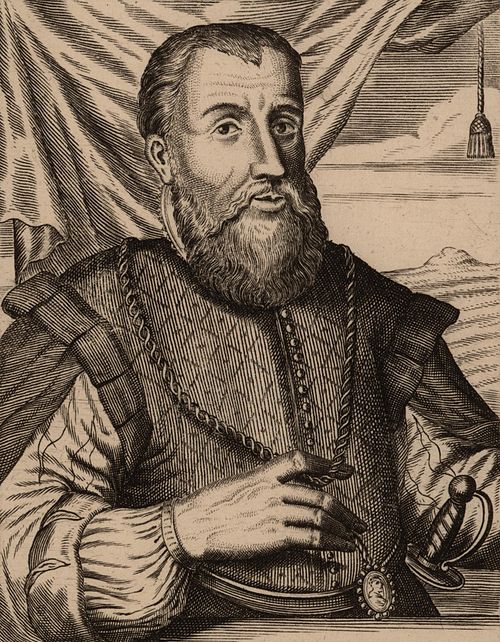
Diego Velázquez de Cuéllar, conquistador of Cuba

Carlos Manuel de Céspedes is known as Father of the Homeland in Cuba, having declared its independence from Spain in 1868. Céspedes was killed by Spanish troops in 1874.

Human remains from the Cuban War of Independence after the Spanish reconcentration policy, 1898

The Pentarchy of 1933. Fulgencio Batista, who controlled the armed forces, appears at far right