Cuius regio, eius religio
Videos
Cuius regio, eius religio is a Latin phrase which literally means "whose realm, his religion" – meaning that the religion of the ruler was to dictate the religion of those ruled. This legal principle
Charles V, Holy Roman Emperor and King of Spain, instructed his brother to settle disputes relating to religion and territory at the Diet of Augsburg in 1555.


Representatives of the German estates at the Augsburg conference discuss the possibilities of a religious peace.
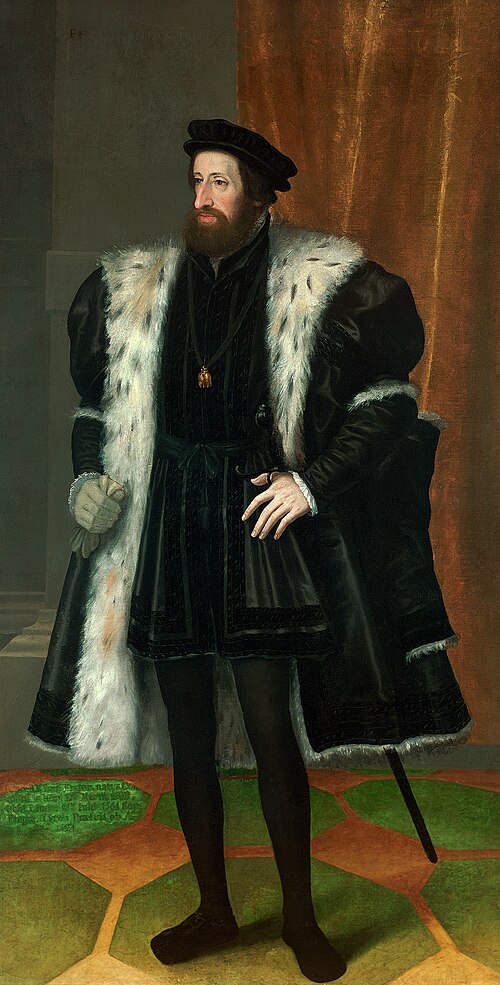
Ferdinand, King of the Romans after 1531 and Holy Roman Emperor (1555–1564). His brother instructed him to settle the disputes at the Augsburg Diet.
Religious tolerance
Videos
Religious tolerance or religious toleration may signify "no more than forbearance and the permission given by the adherents of a dominant religion for other religions to exist, even though the latter
Cuius regio, eius religio
…ruled. This legal principle marked a major development in the collective (if not individual) freedom of religion within Western civilization. Before tolerance of individual religious divergences became accepted, most statesmen and political theorists took it for granted that religious diversity was wrong and/or weakened a state – and particularly…

Sculpture Für Toleranz ("for tolerance") by Volkmar Kühn, Gera, Germany (2001)

"Grave with the Hands" in Roermond. Jacob van Gorcum, a Protestant (of the Reformed Church), who died in 1880 and his wife Josephina, a Catholic, who died in 1888, are buried in the Protestant and Catholic sections of the cemetery respectively, but their tombs are joined by "hands" over the wall.

Minerva as a symbol of enlightened wisdom protects the believers of all religions (Daniel Chodowiecki, 1791)

Clement VI