Cunning folk in Britain
Videos
The cunning folk were professional or semi-professional practitioners of magic in Europe from the medieval period to the early 20th century. In Britain they were known by a variety of names in differe
A model of a nineteenth-century cunning woman in her house, at the Museum of Witchcraft, Boscastle in England


A humanoid figurine with pins stuck into it: this was one method by which cunning folk battled witches using magical means. Artefact at the Museum of Witchcraft and Magic in Boscastle, Cornwall.

A variety of herbs and other floral ingredients that British cunning folk used in preparing potions and other healing concoctions
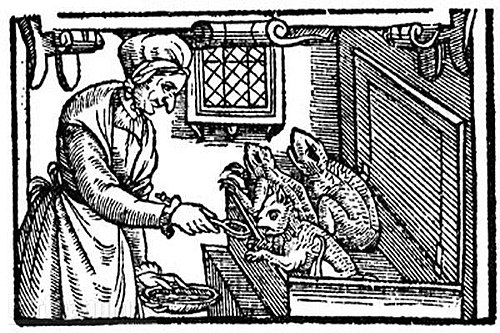
A late sixteenth-century English illustration of a witch feeding her familiars. The use of the familiar was something that witches and cunning folk were believed to have in common.
Familiar
Videos
In European folklore of the medieval and early modern periods, familiars were believed to be supernatural entities, interdimensional beings, or spiritual guardians that would protect or assist witches
Cunning folk in Britain
…practitioners who used the information in the work to enhance their own magical praxes. Some cunning folk were said to employ supernatural entities known as familiar spirits to aid them in their practice of magic. These spirits, which were also believed to work for witches as well, are referenced in many of the witch trial…

A story of "a priest who for the space of 40 years employed a familiar spirit", illustrated in Elizabeth I of England's copy of the Histoires Prodigieuses by Pierre Boaistuau

Prince Rupert and his "familiar" dog in a pamphlet titled "The Cruel Practices of Prince Rupert" (1643)

The Love Potion by Evelyn De Morgan, 1903: a witch with a black cat familiar at her feet