Cura annonae
Videos
In Imperial Rome, cura annonae was the logistics system which procured and distributed grain for the cities of Rome and, after its foundation, Constantinople. The city of Rome imported all the grain c

Neronian coin; the reverse shows the earliest known depiction of Annona, personification of the grain supply, standing before enthroned grain goddess Ceres, whose temple was the site of the grain-dole

A bread stall, from a Pompeiian wall painting

A model of a small Roman grain ship. Large ones had three masts.

A mill and bakery complex at Pompeii
Julius Caesar
Videos
Gaius Julius Caesar was a Roman general, statesman, and author who was the dictator of the Roman Republic almost continuously from 49 BC until his assassination in 44 BC. A member of the First Triumvi
Cura annonae
…about 40,000 adult males were eligible. In 58 BC, Clodius gave an estimated 320,000 citizens free issue of grain. This was reduced to 150,000 by Julius Caesar and increased to 200,000 by Augustus Caesar, who disapproved of a permanent grain dole but took personal responsibility for the free supply, as did all…

The Tusculum portrait, the only extant contemporary sculpture of Caesar

Sulla, depicted on the obverse of a denarius minted by Quintus Pompeius Rufus in 54 BC. Sulla took the city in 82 BC, purged his political enemies, and instituted new constitutional reforms.
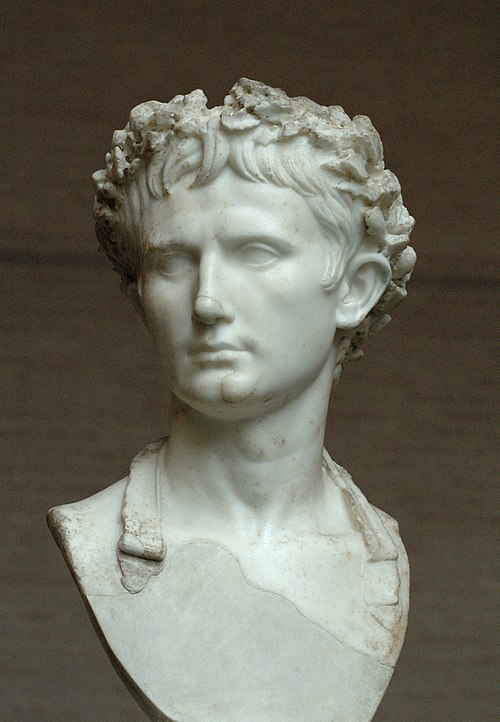
Imperial period bust of Augustus (known as the Augustus Bevilacqua) wearing the civic crown (Latin: corona civica). Caesar won the civic crown for his bravery at the Siege of Mytilene in 81 BC.

Denarius of C. Cossutius Maridianus, 44 BC, with the head of Julius Caesar as pontifex maximus on the obverse. The legend on the reverse mentions the A. A. A. F. F.