Currency war
Videos
Currency war, also known as competitive devaluations, is a condition in international affairs where countries seek to gain a trade advantage over other countries by causing the exchange rate of their
Brazilian Finance Minister Guido Mantega, who made headlines when he raised the alarm about a currency war in September 2010


As the world's leading Reserve currency, the US dollar was central to the 2010–2011 outbreak of currency war.
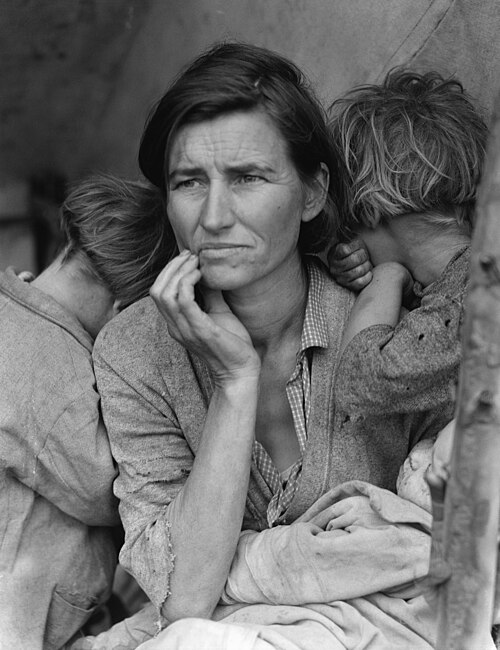
Migrant Mother by Dorothea Lange (1936). This portrait of a 32-year-old farm-worker with seven children became an iconic photograph symbolising defiance in the face of adversity. A currency war contributed to the worldwide economic hardship of the 1930s Great Depression.

Storck Harbour scene
Plaza Accord
Videos
The Plaza Accord was a joint agreement signed on September 22, 1985, at the Plaza Hotel in New York City, between France, West Germany, Japan, the United Kingdom, and the United States, to depreciate
Currency war
…During the mid-1980s the United States did desire to devalue significantly, but were able to secure the cooperation of other major economies with the Plaza Accord. As free market influences approached their zenith during the 1990s, advanced economies and increasingly transition and even emerging economies moved…

The 1985 "Plaza Accord" is named after New York City's Plaza Hotel, which was the location of a meeting of finance ministers who reached an agreement about managing the fluctuating value of the US dollar. From left are Gerhard Stoltenberg of West Germany, Pierre Bérégovoy of France, James Baker of the United States, Nigel Lawson of Britain, and Noboru Takeshita of Japan.