Curtain wall (fortification)
Videos
A curtain wall is a defensive wall between fortified towers or bastions of a castle, fortress, or town.

Beaumaris Castle in Anglesey in North Wales, with curtain walls between the lower outer towers, and higher inner curtain walls between the higher inner towers.

Reconstruction of the 9th-century BC defensive walls around ancient Tel Lachish in modern Israel.

The 12th-century curtain wall of the Château de Fougères in Brittany in northern France, showing the battlements, arrowslits and overhanging machicolations.

Two sections of the 16th-century curtain wall around Berwick-upon-Tweed, at the eastern end of the Anglo-Scottish border.
Castle
Videos
A castle is a type of fortified structure built during the Middle Ages predominantly by the nobility or royalty and by military orders. Scholars usually consider a castle to be the private fortified r
Curtain wall (fortification)
…A curtain wall is a defensive wall between fortified towers or bastions of a castle, fortress, or town. Evidence for curtain walls or a series of walls surrounding a town or fortress can be found in the historical sources from Assyria…
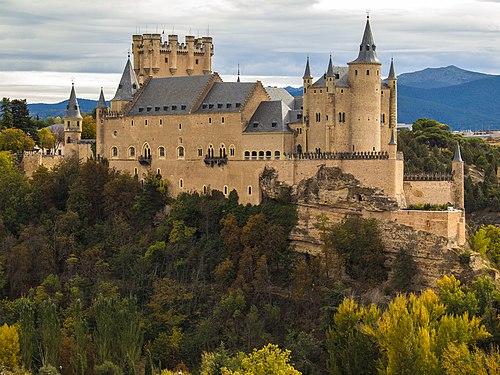
Dating back to the early 12th century, the Alcázar of Segovia, Spain, is one of the most distinctive castles in Europe.

Built in 1385, Bodiam Castle in East Sussex, England, is surrounded by a water-filled moat.

The White Tower, the keep of the Tower of London, overlooking the River Thames. It exemplifies all uses of a castle including city defence, a residence, and a place of refuge in times of crisis.
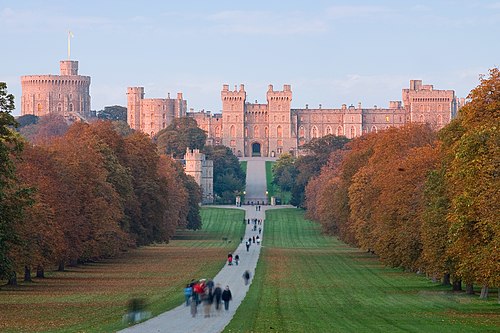
Windsor Castle in England was founded as a fortification during the Norman Conquest and was one of the principal official residences of Queen Elizabeth II during her reign.