David (son of Heraclius)
Videos
David was one of three co-emperors of Byzantium for a few months in late 641, and had the regnal name Tiberius. David was the son of Emperor Heraclius and his wife and niece Empress Martina. He was bo

The "epsilon" coin, which Hahn suggests was minted under Heraclonas, Tiberius and Constans II

David plate
Constans II
Videos
Constans II, regnal name Constantine, also called "the Bearded", was the Byzantine emperor from 641 to 668. Constans was the last attested emperor to serve as consul, in 642, although the office conti

A solidus of Constans II c. 651–3 (aged 21–3), wearing a diadem and holding the globus cruciger. The inscription reads dn constantinus pp av.
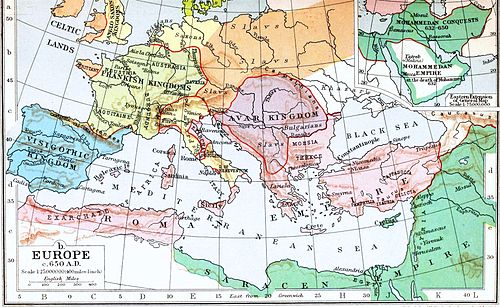
Byzantine Empire in 650 under Constans II

Torture of Maximus the Confessor under the orders of emperor Constans II, miniature from the 12th century Manasses Chronicle

The Roman fleet engaging the Arabs at the Battle of the Masts off the Lycian coast