Defensive gun use
Videos
Photos
Defensive gun use (DGU) is the use or presentation of a firearm for self-defense, defense of others or, in some cases, protecting property. The frequency of incidents involving DGU and their effectiveness in providing safety and reducing crime are controversial issues in gun politics and criminology, chiefly in the United States. Different authors and studies employ different criteria for what constitutes a defensive gun use which leads to controversy in comparing statistical results. Perceptions of defensive gun use are recurring themes in discussions over gun rights, gun control, armed police, open and concealed carry of firearms.

A woman trains real-life defensive gun use scenarios with live ammunition at a video shooting range in Prague, Czech Republic.

Image: Czech self defense training pic 01

Image: Czech self defense training pic 02

Image: Czech self defense training pic 03
Gun politics in the United States
Videos
Photos
Gun politics is defined in the United States by two primary opposing ideologies concerning the private ownership of firearms. Those who advocate for gun control support increasingly restrictive regulation of gun ownership; those who advocate for gun rights oppose increased restriction, or support the liberalization of gun ownership. These groups typically disagree on the interpretation of the text, history and tradition of the laws and judicial opinions concerning gun ownership in the United States and the meaning of the Second Amendment to the Constitution of the United States. American gun politics involves these groups' further disagreement concerning the role of firearms in public safety, the studied effects of ownership of firearms on public health and safety, and the role of guns in national and state crime.

Calamity Jane, notable pioneer frontierswoman and scout, aged 43
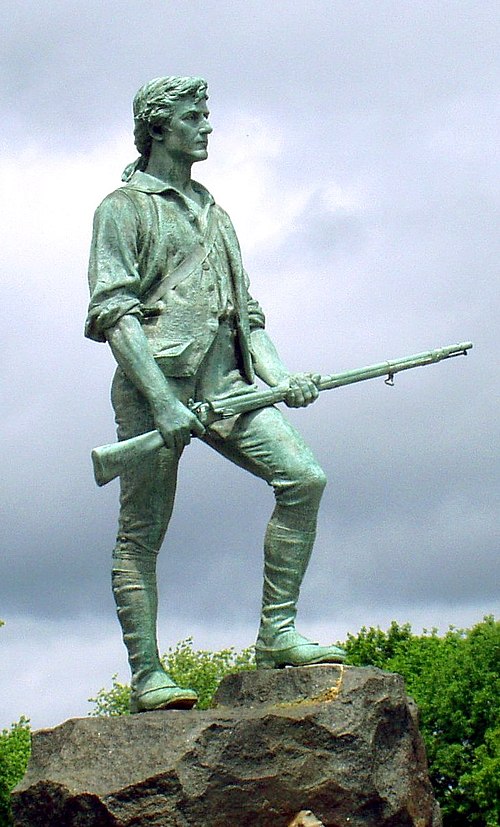
Gun politics date to Colonial America. (Lexington Minuteman, representing John Parker, by Henry Hudson Kitson stands at the town green of Lexington, Massachusetts.)

Representative John A. Bingham of Ohio, principal framer of the Fourteenth Amendment

Political cartoon by Frederick Burr Opper published in Puck magazine shortly after the assassination of James A. Garfield