Deva (Hinduism)
Videos
Deva means 'shiny', 'exalted', 'heavenly being', 'divine being', 'anything of excellence', and is also one of the Sanskrit terms used to indicate a deity in Hinduism. Deva is a masculine term; the fem
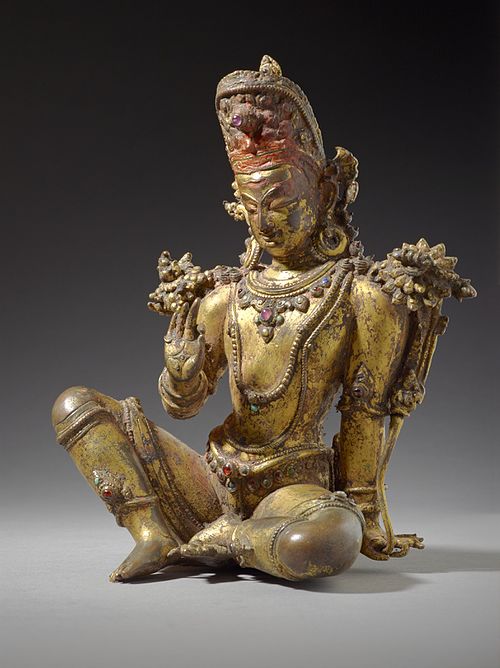
In the earliest Vedic literature, Devas are benevolent supernatural beings; above, a gilt-copper statue of Indra, "Chief of the Gods", from 16th-century Nepal.

Shiva/Rudra has been a major Deva in Hinduism since the Vedic times. Above is a meditating statue of him in the Himalayas with Hindus offering prayers.

The 12 Devas protecting Buddha, by Tani Bunchō. The Hindu Devas were adopted by Japanese Buddhists in the first millennium as Jūni-ten

Vishnu (above) is one of the Vedic Devas. The third Valli of the Katha Upanishad discusses ethical duties of man through the parable of the chariot as a means to realize the state of Vishnu, one with Self-knowledge.
Indra
Videos
Indra is the Vedic god of weather, considered the king of the devas and the realm of Svarga in Hinduism. He is associated with the sky, lightning, weather, thunder, storms, rains, river flows, and war
Deva (Hinduism)
…symbolizing the epitome of a specialized knowledge, creative energy, exalted and magical powers (Siddhis). The most referred to Devas in the Rig Veda are Indra, Agni (fire) and Soma, with "fire deity" called the friend of all humanity, it and Soma being the two celebrated in a yajna fire ritual that marks major…

Indra on his elephant, guarding the entrance of the 1st century BCE Buddhist Cave 19 at Bhaja Caves (Maharashtra).

Banteay Srei temple's pediment carvings depict Indra mounted on Airavata, Cambodia, c. 10th century.

Indra is typically featured as a guardian deity on the east side of a Hindu temple.