Dewclaw
Videos
A dewclaw is a digit – vestigial in some animals – on the foot of many mammals, birds, and reptiles. It commonly grows higher on the leg than the rest of the foot, such that in digitigrade or unguligr
Paw of a dog: A. Claw, B. Digital pads, C. Metacarpal pad, D. Dewclaw, E. Carpal pad


A dog's dewclaw does not make contact with the ground while the dog is standing. This older dog's dewclaw is rounded from use while running, but it has grown.

Some active dogs' dewclaws make more frequent contact with the ground while running, so they wear down naturally, as do their other claws.

Double dewclaws on rear leg of dog
Vestigiality
Videos
Vestigiality is the retention, during the process of evolution, of genetically determined structures or attributes that have lost some or all of the ancestral function in a given species. Assessment o
Dewclaw
…A dewclaw is a digit – vestigial in some animals – on the foot of many mammals, birds, and reptiles (including some extinct orders, like certain theropods). It commonly grows higher…

Darwin's tubercle (left) is a vestigial form of the ear tip (right) in the mammalian ancestors of humans—here shown in a crab-eating macaque.

Vestigial hindlegs (spurs) in a boa constrictor

The blind mole rat (Spalax typhlus) has tiny eyes completely covered by a layer of skin.
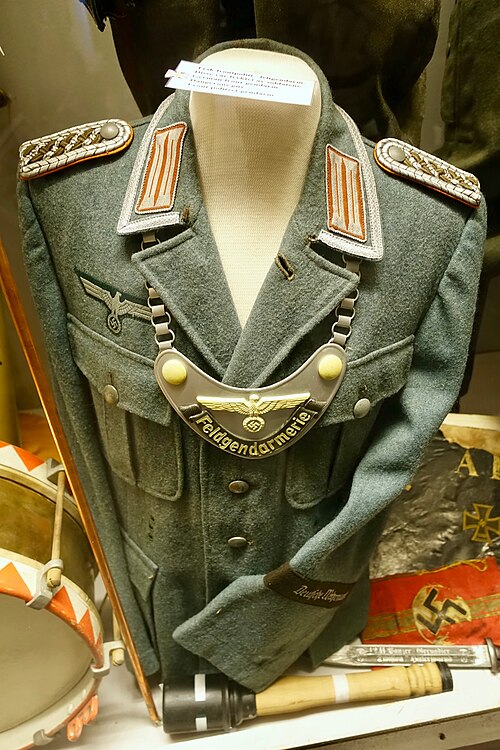
The uniform of the German Feldgendarmerie during WW2, complete with gorget.