Diadochi
Videos
The Diadochi were the rival generals, families, and friends of Alexander the Great who fought for control over his empire after his death in 323 BC. The Wars of the Diadochi mark the beginning of the

Hellenistic kingdoms as they existed in 240 BC, eight decades after the death of Alexander the Great
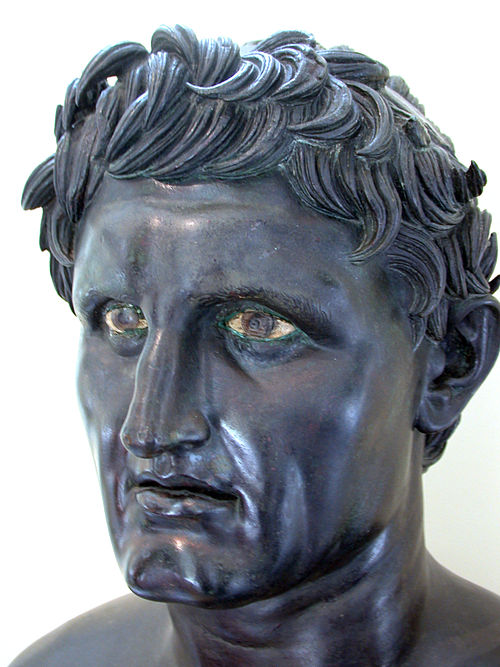
Bust of Seleucus I Nicator ("Victor"; c. 358 – 281 BC), the last of the original Diadochi.

Alexander the Great and Craterus in a lion hunt, mosaic from Pella, Greece, late 4th century BC

Paintings of ancient Macedonian soldiers, arms, and armaments, from the tomb of Agios Athanasios, Thessaloniki in Greece, 4th century BC
Alexander the Great
Videos
Alexander III of Macedon, most commonly known as Alexander the Great, was king of the ancient Greek kingdom of Macedon from 336 BC until his death. He was the son of Philip II, born to him by his four
Diadochi
…The Diadochi were the rival generals, families, and friends of Alexander the Great who fought for control over his empire after his death in 323 BC. The Wars of the Diadochi mark the beginning of the Hellenistic period from the…

Detail from the Alexander Mosaic (created c. 120–100 BC)

Archaeological site of Pella, Greece, Alexander's birthplace

Roman medallion depicting Olympias, Alexander's mother

Philip II of Macedon, Alexander's father