Dismissal (cricket)
Videos
In cricket, a dismissal occurs when a batsman's innings is brought to an end by the opposing team. Other terms used are the batsman being out, the batting side losing a wicket, and the fielding side t

NSW Breakers' Nicola Carey is bowled by ACT Meteors' Marizanne Kapp (not pictured). Note the ball, and the flying bails, one of which has broken into two pieces.

Scoreboard showing the methods of dismissal of the New Zealand batsmen. The four most common methods of dismissal all occurred: six batsmen were caught, two were bowled, one was LBW and one was run out. One batsman (Boult) was left undismissed. The opposition players credited with each dismissal, who caught (after the 'C') or bowled (after the 'B') the ball, or achieved the run out, are named.
Wicket
Videos
In the sport of cricket, the term wicket has several meanings:
Dismissal (cricket)
…Waugh were each dismissed in seven different ways over the course of their test career. If a bowler's legitimate (i.e. not a no-ball) delivery hits the wicket and puts it down, the striker (the batter facing the bowler) is out. The ball can either have struck the stumps directly, or have been deflected off…

A wicket
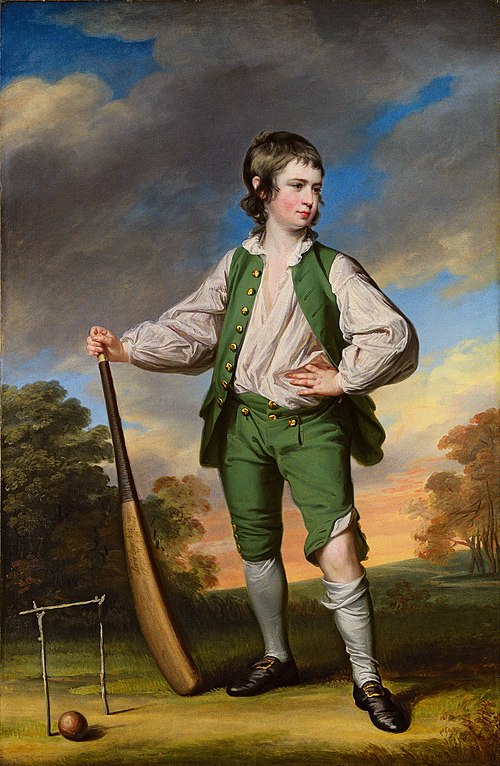
The Young Cricketer by Francis Cotes in 1768 features the original two-stump wicket

A ball from Bill O'Reilly hits the stumps but does not dislodge the bail, Sydney, 1932. The wicket was not put down, and so the batter (Herbert Sutcliffe) was not out.

A scoreboard showing the total runs scored and wickets lost