Diwali
Videos
Dipavali, commonly known as Diwali, is the Hindu festival of lights, with variations celebrated in other Indian religions such as Jainism and Sikhism. It symbolises the spiritual victory of Dharma ove

Rangoli decorations, made using coloured fine powder or sand, are popular during Diwali.

Diwali Festival

Glowing Swayambhu

Diyas Diwali Decor India
Indian religions
Videos
Indian religions, also known as Dharmic religions, are the religions that originated in the Indian subcontinent. These religions, which include Buddhism, Hinduism, Jainism, Sikhism and faiths based on
Diwali
…Dipavali (IAST: Dīpāvalī), commonly known as Diwali (), is the Hindu festival of lights, with variations celebrated in other Indian religions such as Jainism and Sikhism. It symbolises the spiritual victory of Dharma over Adharma, light over darkness, good over evil, and knowledge over…

From left to right, then downwards: the Om (Hinduism), the Dharmachakra (Buddhism), the Jain Prateek Chihna (Jainism) and the Khanda (Sikhism) are the symbols commonly used to represent the four major Indian religions.

"Priest King" of Indus Valley Civilisation
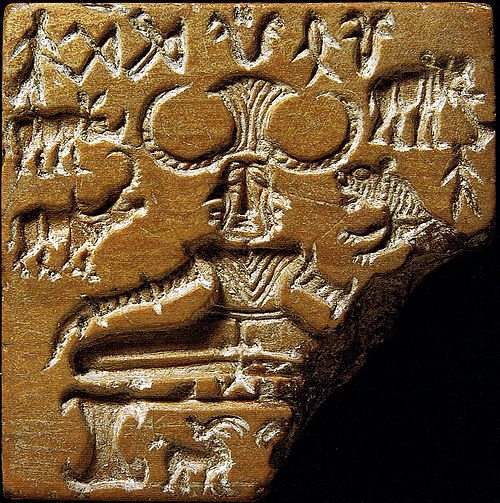
The Pashupati seal, showing a seated and possibly ithyphallic figure, surrounded by animals.

A statue of Gautama Buddha from Sarnath, Uttar Pradesh, India, 4th century CE.