Edward V
Videos
Edward V was King of England from 9 April to 25 June 1483. He succeeded his father, Edward IV, upon the latter's death. Edward V was never crowned, and his brief reign was dominated by the influence o
Edward, then Prince of Wales, from a miniature in Dictes and Sayings of the Philosophers, c. 1480

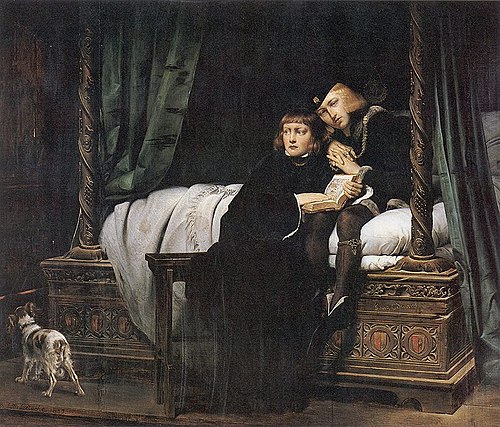
King Edward V and the Duke of York in the Tower of London by Paul Delaroche. The theme of innocent children awaiting an uncertain fate was a popular one amongst 19th-century painters. Louvre, Paris

Sarcophagal urn of the presumed bones of Edward V and his younger brother, Richard of Shrewsbury, Duke of York, in Westminster Abbey

17th century depiction of Edward by an unknown artist
Edward IV
Videos
Edward IV was King of England from 4 March 1461 to 3 October 1470, then again from 11 April 1471 until he died in 1483. A member of the House of York, he was a central figure in the Wars of the Roses,
Edward V
…Edward V (2 November 1470 – presumably July 1483) was King of England from 9 April to 25 June 1483. He succeeded his father, Edward IV, upon the latter's death. Edward V was never crowned, and his brief reign was dominated by the influence of his uncle and Lord Protector, the Duke of…

Portrait, c. 1520, from original made c. 1470–1475
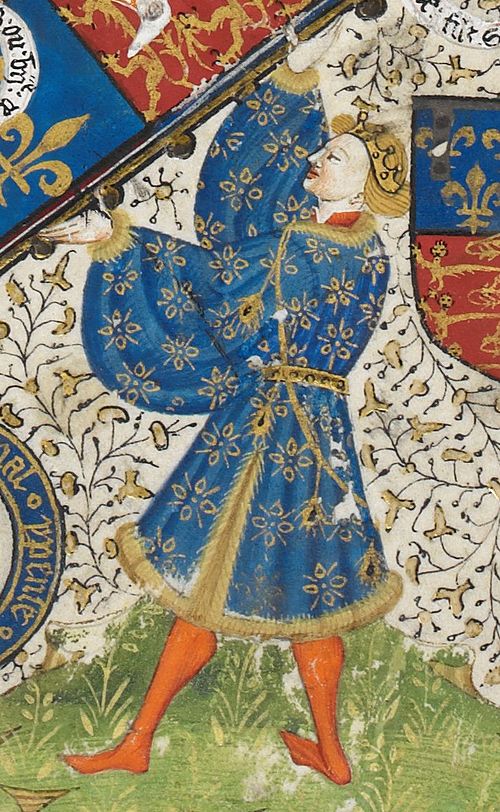
Drawing of Richard of York, 3rd Duke of York, the father of Edward IV and Richard III, c. 1445
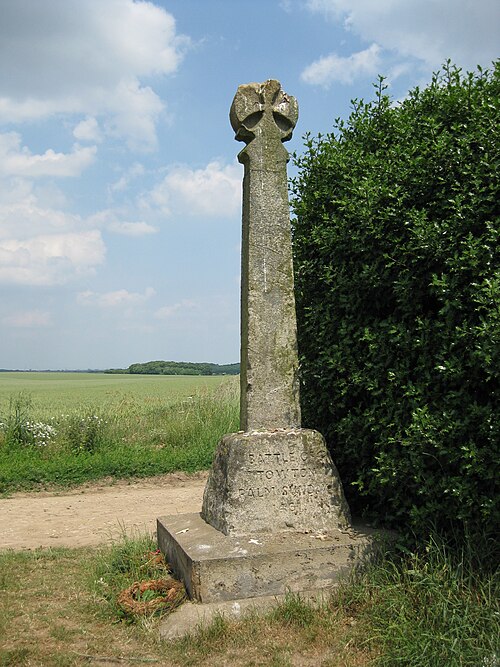
Towton Cross, commemorating Edward's victory at the Battle of Towton
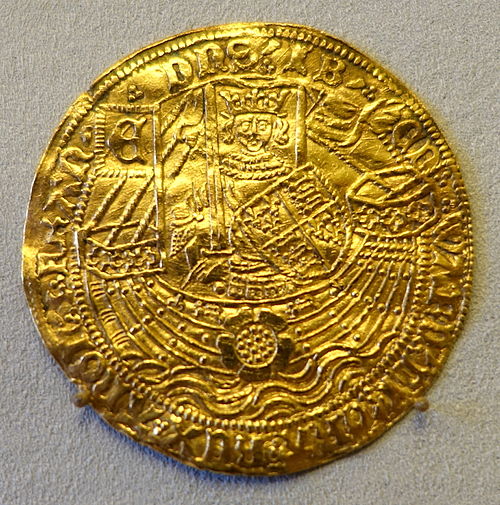
Rose Noble coin of Edward IV, minted in 1464