Emperor Ichijō
Videos
Photos
Emperor Ichijō was the 66th emperor of Japan, according to the traditional order of succession.

Emperor Ichijō
Emperor of Japan
Videos
Photos
The emperor of Japan or Tennō , literally "ruler from heaven" or "heavenly sovereign", is the hereditary monarch and head of state of Japan. The emperor is defined by the Constitution of Japan as the symbol of the Japanese state and the unity of the Japanese people, his position deriving from "the will of the people with whom resides sovereign power". The Imperial Household Law governs the line of imperial succession. Pursuant to his constitutional role as a national symbol, and in accordance with rulings by the Supreme Court of Japan, the emperor is personally immune from prosecution. By virtue of his position as the head of the Imperial House, the emperor is also recognized as the head of the Shinto religion, which holds him to be the direct descendant of the sun goddess Amaterasu. According to tradition, the office of emperor was created in the 7th century BC, but the first historically verifiable emperors appear around the 5th or 6th centuries AD.
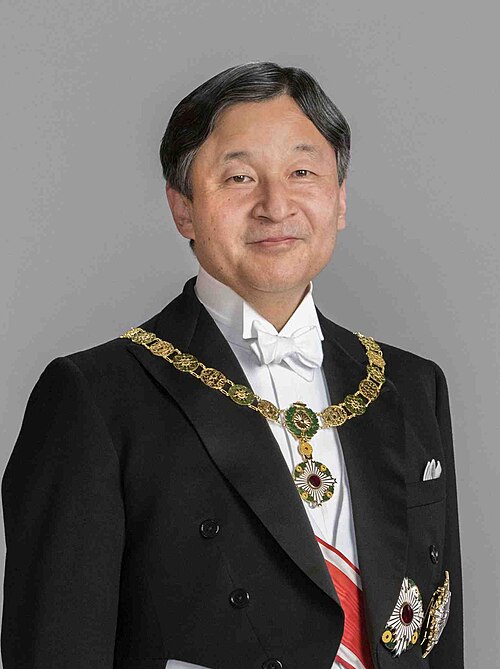
Emperor of Japan

Emperor Akihito and Empress Michiko seated in the Chamber of the House of Councillors of the National Diet, with members of the Imperial Family, the Cabinet, and Prime Minister Naoto Kan giving the government's speech in front of the assembled members of parliament (2010).

Utakai Hajime poetry competition, chaired by Emperor Shōwa and Empress Kōjun (1950).

The first arrival of Emperor Meiji to Edo (1868)