Energy crop
Videos
Energy crops are low-cost and low-maintenance crops grown solely for renewable bioenergy production. The crops are processed into solid, liquid or gaseous fuels, such as pellets, bioethanol or biogas.
A Department for Environment, Food and Rural Affairs energy crops scheme plantation in the United Kingdom. Energy crops of this sort can be used in conventional power stations or specialised electricity generation units, reducing the amount of fossil fuel-derived carbon dioxide emissions.


Elephant grass (Miscanthus giganteus) is an experimental energy crop.

Coconuts sun-dried in Kozhikode, Kerala, for making copra, the dried meat, or kernel, of the coconut. Coconut oil extracted from it has made copra an important agricultural commodity for many coconut-producing countries. It also yields coconut cake which is mainly used as feed for livestock.
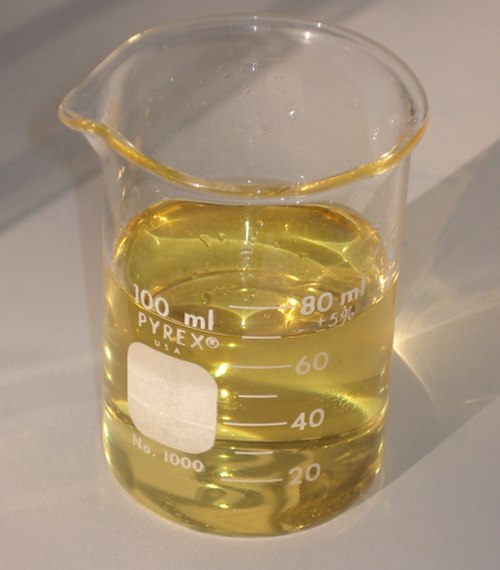
Pure biodiesel (B-100), made from soybeans
Miscanthus × giganteus
Videos
Miscanthus × giganteus, also known as the giant miscanthus, is a sterile hybrid of Miscanthus sinensis and Miscanthus sacchariflorus. It is a perennial grass with bamboo-like stems that can grow to he
Energy crop
…electrical power or heat. The plants are generally categorized as woody or herbaceous. Woody plants include willow and poplar, herbaceous plants include Miscanthus x giganteus and Pennisetum purpureum (both known as elephant grass). Herbaceous crops, while physically smaller than trees, store roughly twice the amount of CO2…

Miscanthus Bestand

Steep, marginal land.

At the end of each season, the plant pulls the nutrients to the ground. The color shifts from green to yellow/brown.

The development of the torrefaction process began as research into coffee roasting, in the late 19th century.