English Gothic architecture
Videos
English Gothic is an architectural style that flourished from the late 12th until the mid-17th century. The majority of surviving Gothic buildings are cathedrals and churches. Gothic architecture's de

Lincoln Cathedral Presbytery, Lincolnshire, UK Diliff
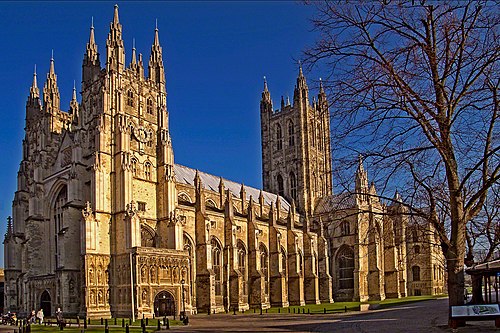
Canterbury cathedral wyrdlight

Cambridge King's College Chapel Vault

Salisbury Cathedral (1220–1258) (tower and spire later)
Early English Gothic
Videos
Early English Gothic was the first phase of English Gothic architecture, distinguished by pointed arches, lancet windows and rib vaults. It emerged from a combination of English Romanesque and French
English Gothic architecture
…The English Gothic style is generally divided into three periods: Early English or First Pointed (late 12th–late 13th centuries) Decorated Gothic or Second Pointed (mid-13th–late 14th centuries…

Salisbury Cathedral

Transitional work at the west end of Worcester Cathedral

The transepts of Roche Abbey

The choir of Canterbury Cathedral. The work in the foreground is by William of Sens, while that in the background is by William the Englishman.