In 17th- and 18th-century England, coffeehouses served as public social places where men would meet for conversation and commerce. A penny bought admission and a cup of coffee. During the mid-17th cen
"The rules and orders of the coffee-house", A Brief Description of the Excellent Vertues of that sober and wholesome drink, called coffee (1674)


The Vertue of the "COFFEE" Drink, a handbill from 1652, advertising coffee "First publiquely made and sold in England, by Pasqua Rosee"

Garraway's Coffee House in Exchange Alley, London

A 1787 cartoon depicting lawyer Edward Thurlow at Nando's Coffee House
Age of Enlightenment
Videos
The Age of Enlightenment, also known as the Age of Reason or simply the Enlightenment, was a period of intellectual and cultural flourishing in Europe and Western civilization, emerging in the late 17
English coffeehouses in the 17th and 18th centuries
…as meeting places. Historians of the 17th and 18th centuries often associate English coffeehouses with the intellectual and cultural history of the Age of Enlightenment: they were an alternate sphere, supplementary to the university. Europeans first learned about coffee consumption through exotic accounts of travels…

In the Salon of Madame Geoffrin in 1755. Reading of Voltaire's tragedy, The Orphan of China, in the salon of Marie Thérèse Rodet Geoffrin, by Anicet Charles Gabriel Lemonnier, c. 1812

English philosopher Francis Bacon's work is considered foundational to the Enlightenment

René Descartes, widely considered a seminal figure in the emergence of modern philosophy and science
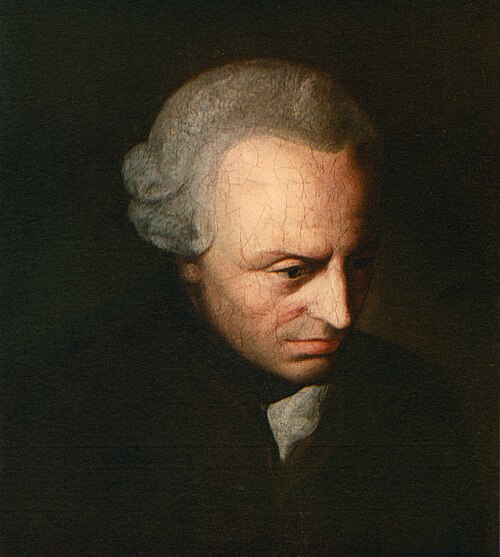
German philosopher Immanuel Kant, one of the most influential figures of Enlightenment and modern philosophy