Epimenides paradox
Videos
The so-called Epimenides paradox has to do with self-reference in logic. It is named after the Cretan philosopher Epimenides of Knossos who said: "Cretans, liars always, evil beasts, idle bellies". A

Epimenides from "Promptuarii Iconum Insigniorum"
Medea
Videos
In Greek mythology, Medea is the daughter of King Aeëtes of Colchis. Medea is known in most stories as a sorceress, an accomplished pharmakís, a worker in pharmakeía, and is often depicted as a high p
Epimenides paradox
…to have spoken the truth, but in fact there is no paradox because it may simply be a false statement. According to Ptolemaeus Chennus, Thetis and Medea had once argued in Thessaly over which was the most beautiful; they appointed the Cretan Idomeneus as the judge, who gave the victory to Thetis. In her…

Medea and the daughters of Pelias, 2nd-century Roman copy of a 420 BC original, Antikensammlung Berlin

Medea in a c. 70 AD fresco from Herculaneum

Jason and Medea by John William Waterhouse (1907)
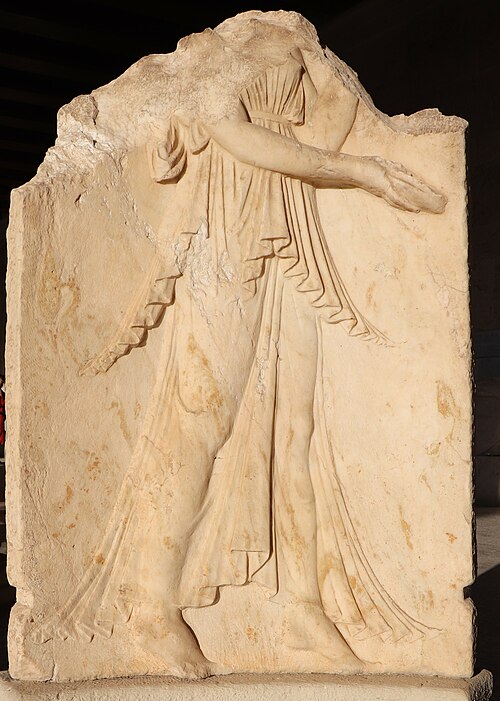
Bas relief of Medea, 2nd century BC, in the Ancient Agora Museum, Athens