Epistemology
Videos
Epistemology is the branch of philosophy that examines the nature, origin, and limits of knowledge. Also called the theory of knowledge, it explores different types of knowledge, such as propositional
Bertrand Russell originated the distinction between propositional knowledge and knowledge by acquaintance.

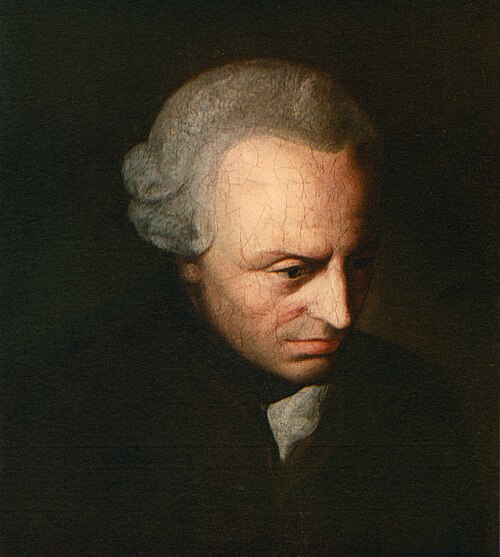
The analytic–synthetic distinction has its roots in the philosophy of Immanuel Kant.

Alvin Goldman was an influential defender of externalism.

René Descartes used methodological doubt to seek certain foundations for philosophy.
Declarative knowledge
Videos
Declarative knowledge, also known as theoretical knowledge, descriptive knowledge, propositional knowledge, and knowledge-that, is an awareness of facts that can be expressed using declarative sentenc
Epistemology
…that examines the nature, origin, and limits of knowledge. Also called the theory of knowledge, it explores different types of knowledge, such as propositional knowledge about facts, practical knowledge in the form of skills, and knowledge by acquaintance as a familiarity through experience. Epistemologists study the…

Declarative knowledge can be expressed using declarative sentences stored in books.

The thought experiments by Edmund Gettier influenced many epistemologists to seek additional components of declarative knowledge.

Knowing how to play the guitar is one form of non-declarative knowledge.

Familiarity with the flavor of chocolate is one example of knowledge by acquaintance, which belongs to non-declarative knowledge.