Ethics
Videos
Ethics is the philosophical study of moral phenomena. Also called moral philosophy, it investigates normative questions about what people ought to do or which behavior is morally right. Its main branc
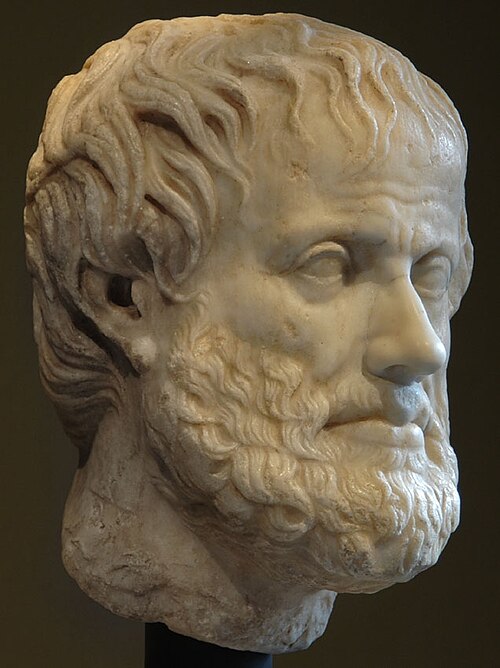
According to Aristotle, how to lead a good life is one of the central questions of ethics.

Immanuel Kant formulated a deontological system based on universal laws that apply to all rational creatures.

According to discourse ethics, as formulated by Jürgen Habermas, moral norms are justified by rational discourse within society.
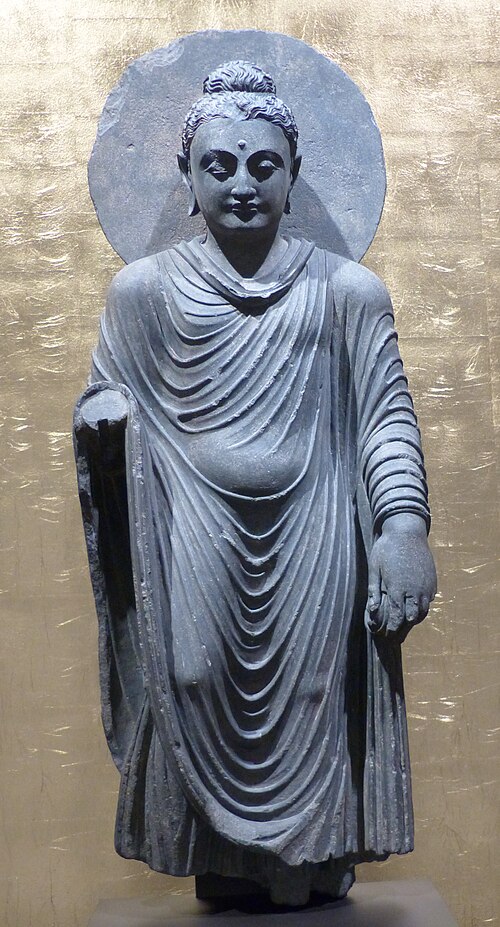
The practices of compassion and loving-kindness are key elements of Buddhist ethics.
Socrates
Videos
Socrates was an ancient Greek philosopher from Classical Athens, perhaps the first Western moral philosopher, and a major inspiration on his student Plato, who largely founded the tradition of Western
Ethics
…This period saw the emergence of ethical teachings associated with Hinduism, Buddhism, Confucianism, Daoism, and contributions of philosophers like Socrates and Aristotle. During the medieval period, ethical thought was strongly influenced by religious teachings. In the modern period, this focus shifted to…

A marble head of Socrates in the Louvre (copy of a lost bronze head by Lysippus)

Battle of Potidaea (432 BC): Athenians against Corinthians (detail). Scene of Socrates (center) saving Alcibiades. 18th century engraving. According to Plato, Socrates participated in the Battle of Potidaea, the retreat of Battle of Delium and the battle of Amphipolis (422 BC).

The Death of Socrates, by Jacques-Louis David (1787). Socrates was visited by friends in his last night in prison. His discussion with them gave rise to Plato's Crito and Phaedo.

The Debate of Socrates and Aspasia by Nicolas-André Monsiau. Socrates's discussions were not limited to a small elite group; he engaged in dialogues with foreigners and with people from all social classes and of all genders.