Etiquette
Videos
Etiquette can be defined as a set of norms of personal behavior in polite society, usually occurring in the form of an ethical code of the expected and accepted social behaviors that accord with the c

In Company Shocked at a Lady Getting up to Ring the Bell (1805) James Gillray caricatured "A widow and her suitors, who seem to have forgotten their manners in the intensity of their admiration."

At the Palace of Versailles, King Louis XIV used complicated étiquette to manage and control his courtiers and their politicking.
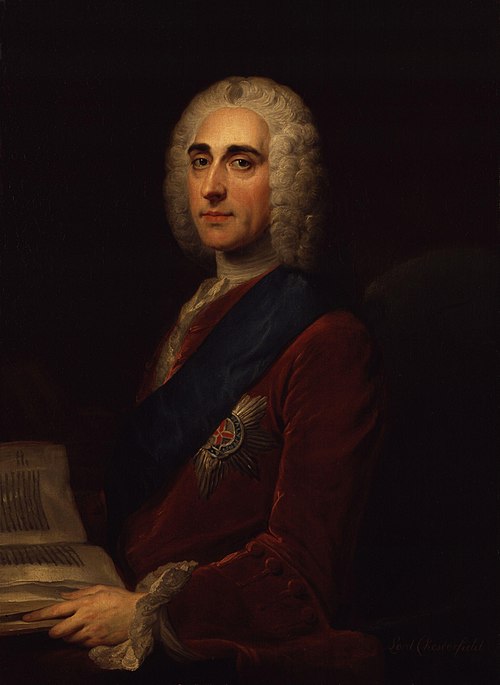
In the 18th century, Philip Stanhope, the 4th Earl of Chesterfield, first used the word etiquette to mean "the conventional rules of personal behaviour in polite society." (William Hoare)

In High-Change in Bond Street, – ou – la Politesse du Grande Monde (1796), James Gillray caricatured the lack of etiquette in a group of men who are depicted leering at women and crowding them off the sidewalk.
Emily Post
Videos
Emily Post was an American author, novelist, and socialite who wrote about etiquette.
Etiquette
…the faults of others, but avoid falling short, yourself,' in being civilised. Etiquette in Society, in Business, in Politics, and at Home (1922), by Emily Post documents the "trivialities" of desirable conduct in daily life, and provided pragmatic approaches to the practice of good manners—the social conduct…

Post in 1912

Portrait of Post by Emil Fuchs, now housed in the Brooklyn Museum