Evangelical Anglicanism
Videos
Evangelical Anglicanism or evangelical Episcopalianism is a tradition or church party within Anglicanism that shares affinity with broader evangelicalism. Evangelical Anglicans share with other evangelicals the attributes of "conversionism, activism, biblicism and crucicentrism" identified by historian David Bebbington as central to evangelical identity. The emergence of evangelical churchmanship can be traced back to the First Great Awakening in America and the Evangelical Revival in Britain in the 18th century. In the 20th century, prominent figures have included John Stott and J. I. Packer.
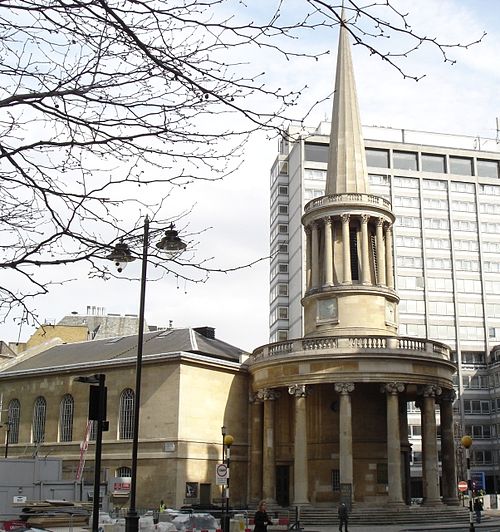

Old St. Paul's Church in Philadelphia (now Episcopal Community Services) was a prominent evangelical Episcopal church in the 19th century. Its ministers included Stephen Tyng.
Church of England
Videos
The Church of England is the established Christian Church in England and the Crown Dependencies. It is the origin of the Anglican tradition, which combines features of both Reformed and Catholic Christian practices. Its adherents are called Anglicans.

Hereford Cathedral is one of the church's 43 cathedrals; many have histories stretching back centuries
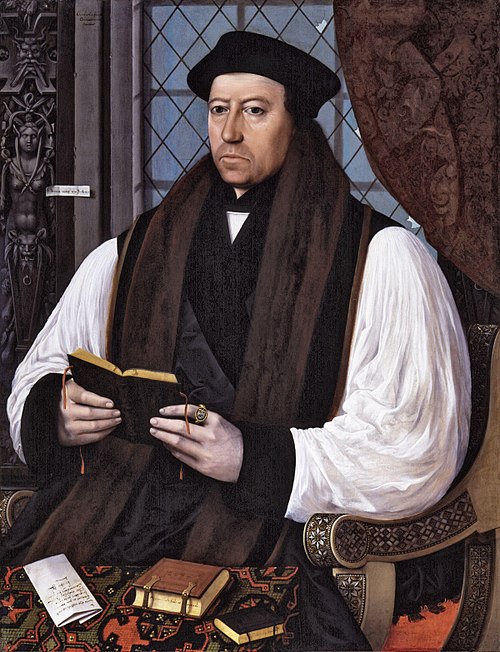
Thomas Cranmer was the first Protestant Archbishop of Canterbury and principal compiler of the Book of Common Prayer

Major repairs were done to Canterbury Cathedral after the Restoration in 1660.

One of the now "redundant" buildings, Holy Trinity Church, Wensley, in North Yorkshire; much of the current structure was built in the 14th and 15th centuries