Experiment
Videos
An experiment is a procedure carried out to support or refute a hypothesis, or determine the efficacy or likelihood of something previously untried. Experiments provide insight into cause-and-effect b
Even very young children perform rudimentary experiments to learn about the world and how things work.


Humanités Numériques
Natural science
Videos
Natural science or empirical science is a branch of science concerned with the description, understanding, and prediction of natural phenomena, based on empirical evidence from observation and experim
Experiment
…apparatus overseen by many scientists that hope to discover information about subatomic particles). Uses of experiments vary considerably between the natural and human sciences. Experiments typically include controls, which are designed to minimize the effects of variables other than the single independent…
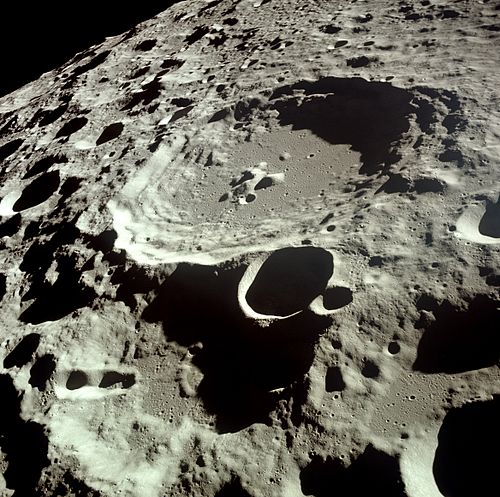
Uncrewed and crewed spacecraft missions have been used to image distant locations within the Solar System, such as this Apollo 11 view of Daedalus crater on the far side of the Moon.

Onion (Allium) cells in different phases of the cell cycle. Growth in an 'organism' is carefully controlled by regulating the cell cycle.

Plato (left) and Aristotle in a 1509 painting by Raphael. Plato rejected inquiry into natural philosophy as against religion, while his student, Aristotle, created a body of work on the natural world that influenced generations of scholars.
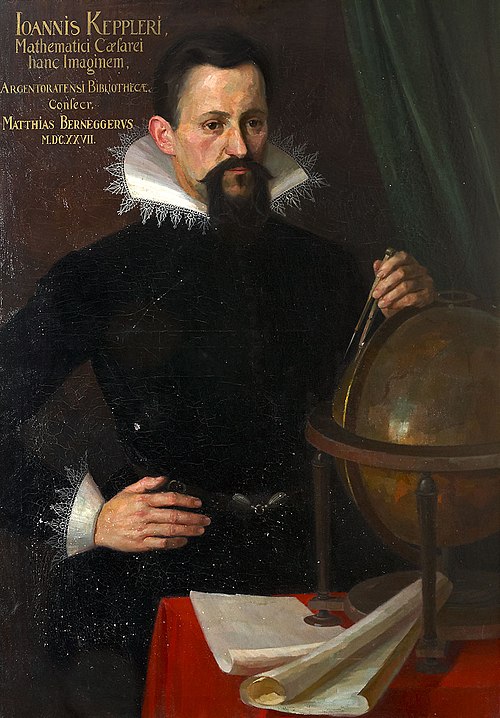
Johannes Kepler (1571–1630). Kepler's Astronomia Nova is "the first published account wherein a scientist documents how he has coped with the multitude of imperfect data to forge a theory of surpassing accuracy", therefore laying the groundwork for the scientific method.