Exploration of Neptune
Videos
Neptune has been directly explored by one space probe, Voyager 2, in 1989. As of 2026, there are no confirmed future missions to visit the Neptunian system. NASA, ESA, CNSA and independent academic gr
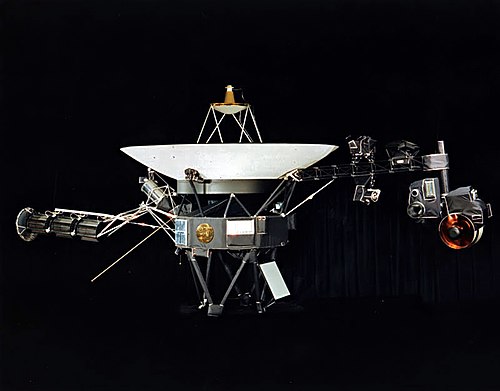
Voyager 2 spacecraft

Voyager 2 image of Proteus

Triton Ocean World Surveyor
Neptune
Videos
Neptune is the eighth and farthest known planet orbiting the Sun. It is the fourth-largest planet in the Solar System by diameter, the third-most-massive planet, and the densest giant planet. It is 17
Exploration of Neptune
…Neptune has been directly explored by one space probe, Voyager 2, in 1989. As of 2026, there are no confirmed future missions to visit the Neptunian system…

Galileo Galilei may have been the first person to sight Neptune

Urbain Le Verrier mostly successfully predicted Neptune's position

Johann Gottfried Galle was requested by Le Verrier to look for Neptune

John Couch Adams independently calculated Neptune's position