Fashion and clothing in the Philippines
Fashion and clothing in the Philippines refers to the way the people of the Philippine society generally dress up at home, at work, travelling and during special occasions.
A Philippine lady, 1897
1890s woman wearing the Maria Clara dress
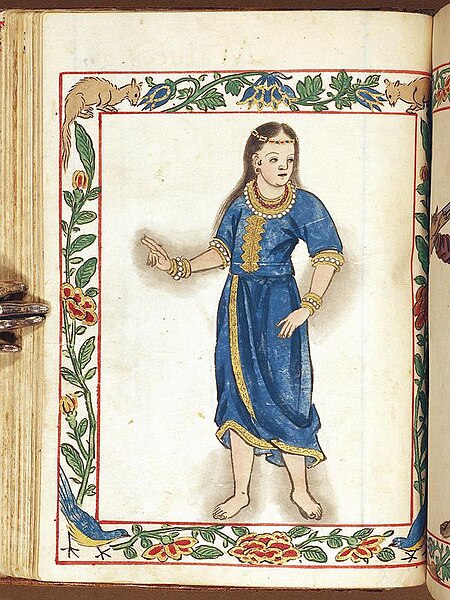
Attire of a young woman
Filipino women's fashion, 1700s – 1840s
The barong tagalog, more commonly known simply as barong, is an embroidered long-sleeved formal shirt for men and a national dress of the Philippines. Barong tagalog combines elements from both the precolonial native Filipino and colonial Spanish clothing styles. It is traditionally made with sheer textiles (nipis) woven from piña or abacá; although in modern times, cheaper materials like organza silk, ramie or polyester are also used.
Late 19th century barong tagalog made from piña with both pechera ("shirt front") and sabog ("scattered") embroidery, from the Honolulu Museum of Art
Barong tagalog worn with a salakot. The woman is wearing a terno.
Dancers in barong tagalog (with a buntal hat) and traje de mestiza performing Jota Cagayana
Full traditional Tagalog attire for working-class commoners during the Spanish colonial era, with barong tagalog, esclavina (rain capes), and salakot headwear (c.1855)