Feathered Serpent
Videos
The Feathered Serpent is a prominent supernatural entity or deity found in many Mesoamerican religions. It is called Quetzalcōātl among the Aztecs; Kukulkan among the Yucatec Maya; and Qʼuqʼumatz and

Aztec era stone sculptures of feathered serpents on display at the National Museum of Anthropology in Mexico City

Feathered Serpent heads cover the Temple of the Feathered Serpent, Teotihuacan.

A Feathered Serpent deep in the Juxtlahuaca cave. Stylistically tied to the Olmec, this red Feathered Serpent has a crest of now-faded green feathers.

Feathered serpent columns at the Temple of the Warriors in Chichen Itza. This style of column is associated with the Toltecs and is representative of the Central Mexican influence on the Maya city.
Olmecs
Videos
The Olmecs or Olmec were an early major Mesoamerican civilization, flourishing in the modern-day Mexican states of Veracruz and Tabasco from roughly 1200 to 400 BC during Mesoamerica's formative perio
Feathered Serpent
…creep on the ground among other animals of the Earth, a dualism very common in Mesoamerican deities. Representations of feathered serpents appear in the Olmec culture (c. 1400–400 BC). The Olmec culture predates the Maya and the Aztec. This cultural enclave extended from the Gulf of Mexico to Nicaragua. Most…

Olmec Head No. 3 from San Lorenzo-Tenochtitlán; 1226 –900 BC; basalt; height: 1.8 m, length: 1.28 m, width: 0.83 m; Xalapa Museum of Anthropology (Xalapa, Mexico)

El Señor de las Limas; 1000–600 BC; greenstone; height: 55 cm; Xalapa Museum of Anthropology

The Wrestler; 1200–400 BC; basalt; height: 66 cm, from the Arroyo Sonso area (Veracruz, Mexico); Museo Nacional de Antropología. Olmec artists are known for both monumental and miniature portrayals of what are assumed to be persons of authority-from six-ton heads sculptures to figurines.
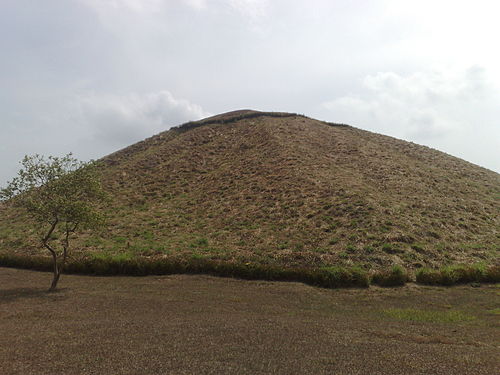
Great pyramid in La Venta, Tabasco