Finlandization
Videos
Finlandization is the process by which one powerful country makes a smaller neighboring country refrain from opposing the former's foreign policy rules, while allowing it to keep its nominal independe

Urho Kekkonen and Leonid Brezhnev in 1960 during Kekkonen's state visit to the Soviet Union.

Finland's President Urho Kekkonen, translator Kustaa Loikkanen and General Secretary Nikita Khrushchev talking, at Kekkonen's 60th birthday
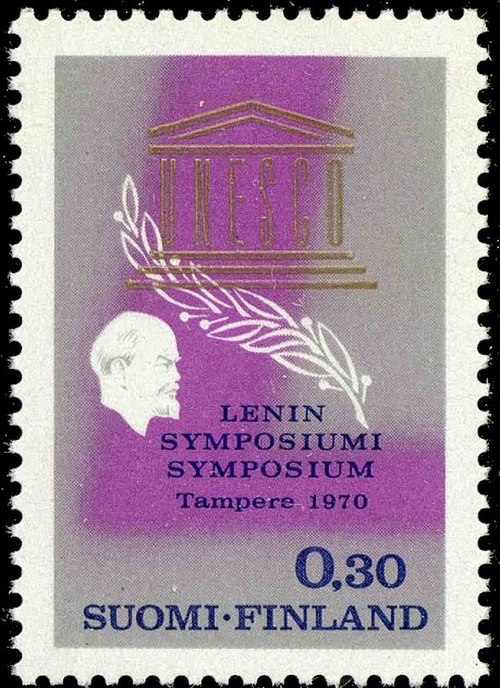
In April 1970, a Finnish stamp was issued in honour of the 100th anniversary of the birth of Vladimir Lenin and the Lenin Symposium held that year in Tampere.

Urho Kekkonen and Juho Kusti Paasikivi
Urho Kekkonen
Videos
Urho Kaleva Kekkonen, often referred to by his initials UKK, was a Finnish politician who served as the eighth and longest-serving president of Finland from 1956 to 1982. He also served as prime minis
Finlandization
…Decision. Later, after the fall of the Soviet Union, the term has been used in Finland for the post-1968 radicalization in the latter half of the Urho Kekkonen era. In the 1990s, Finlandization was also discussed as a potential strategy that the Soviet Union under Gorbachev may have attempted to revise its…

Kekkonen in 1975

Helsinki July 2013 21

Juho Kekkonen, Urho Kekkonen's father

Kekkonen was born in a humble, small log cabin called Lepikon torppa in Pielavesi.