Fiscal conservatism
Videos
Photos
In American political theory, fiscal conservatism or economic conservatism is a political and economic philosophy regarding fiscal policy and fiscal responsibility with an ideological basis in capitalism, individualism, limited government, and laissez-faire economics. Fiscal conservatives advocate tax cuts, reduced government spending, free markets, deregulation, privatization, free trade, and minimal government debt. Fiscal conservatism follows the same philosophical outlook as classical liberalism. This concept is derived from economic liberalism.
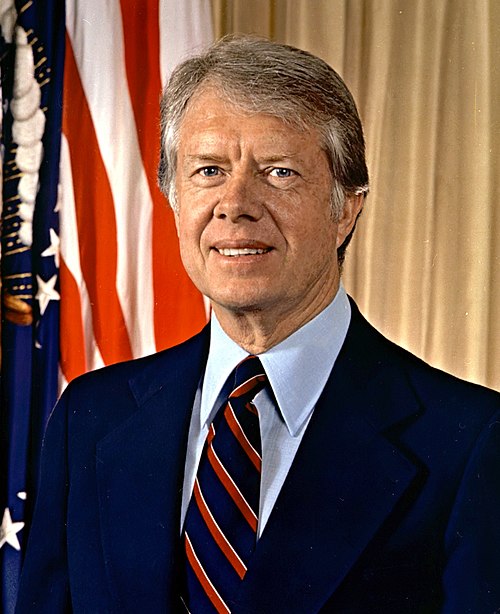
Jimmy Carter, who reduced the debt-to-GDP ratio in the 1970s
New Deal
Videos
Photos
The New Deal was a series of programs, public work projects, financial reforms, and regulations enacted by President Franklin D. Roosevelt in the United States between 1933 and 1938. Major federal programs and agencies, including the Civilian Conservation Corps (CCC), the Works Progress Administration (WPA), the Civil Works Administration (CWA), the Farm Security Administration (FSA), the National Industrial Recovery Act of 1933 (NIRA) and the Social Security Administration (SSA), provided support for farmers, the unemployed, youth, and the elderly. The New Deal included new constraints and safeguards on the banking industry and efforts to re-inflate the economy after prices had fallen sharply. New Deal programs included both laws passed by Congress as well as presidential executive orders during the first term of the presidency of Franklin D. Roosevelt.

Top left: The TVA Act signed into law in 1933 Top right: President Franklin D. Roosevelt led the New Dealers; Bottom: A public mural from the arts program

1935 cartoon by Vaughn Shoemaker in which he parodied the New Deal as a card game with alphabetical agencies
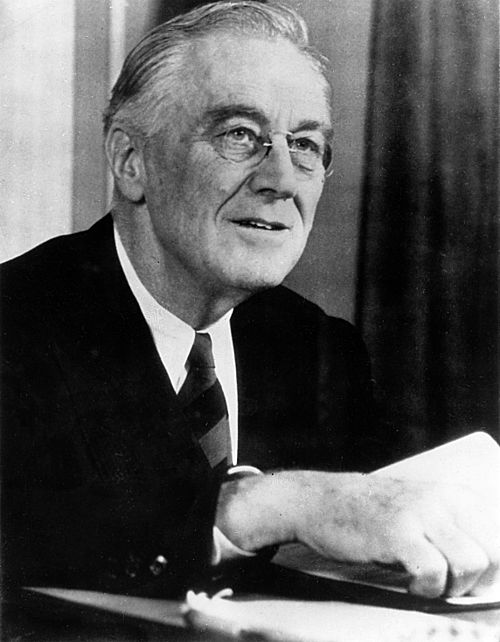
Roosevelt's ebullient public personality, conveyed through his declaration that "the only thing we have to fear is fear itself" and his "fireside chats" on the radio did a great deal to help restore the nation's confidence

Public Works Administration Project Bonneville Dam