Flip-flops
Videos
Flip-flops are a type of light sandal-like shoe, typically worn as a form of casual footwear. They consist of a flat sole held loosely on the foot by a Y-shaped strap known as a toe thong that passes
Flip flops on feet being worn


Double-pluggers

Pair of leather thong ancient sandals from the New Kingdom of Egypt (c. 1550–1307 BC)

Zori (straw sandals) and Geta (wooden clogs) belonging to interned Japanese in the United States (1946), direct antecedents of modern-day flip-flops.
Slipper
Videos
Slippers are a type of shoes falling under the broader category of light footwear, that are easy to put on and off and are intended to be worn indoors, particularly at home. They provide comfort and p
Flip-flops
…or o chinelo (in Portuguese) (= the flip-flop), held or thrown, is known to be used as a tool of corporal punishment by mothers, similar to the use of slippers for the same purpose in Europe. Poor conduct in public may elicit being struck on the head with a flip-flop. The flip-flop may also be thrown at a…
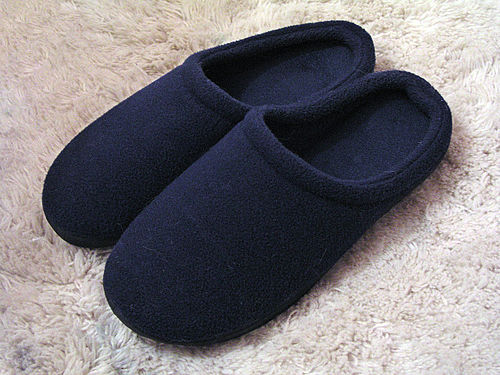
Open-heeled slippers

Peranakan Chinese wedding slippers from the late-19th century

Novelty animal-feet slippers