Fluorine
Videos
Fluorine is a chemical element; it has the symbol F and atomic number 9. It is the lightest halogen and exists at standard conditions as pale yellow diatomic gas. Fluorine is extremely reactive as it

Liquid fluorine (F2 at extremely low temperature)
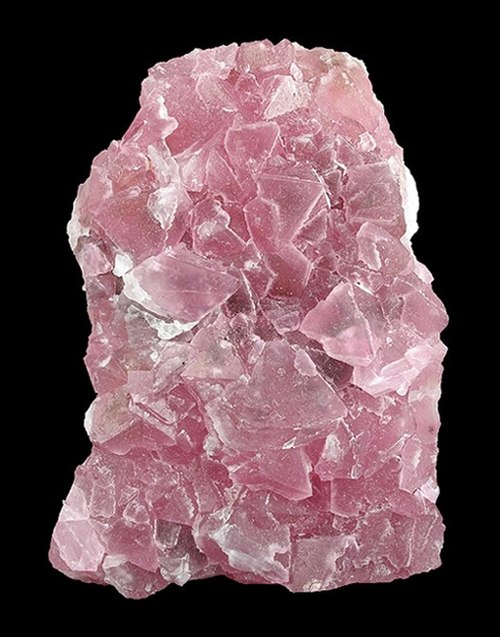
Fluorite: Pink globular mass with crystal facets

Fluorapatite: Long, prismatic crystal, dull in lustre, protruding, at an angle, from matrix of aggregate-like rock

Cryolite: A parallelogram-shaped outline with diatomic molecules arranged in two layers
Chlorine
Videos
Chlorine is a chemical element; it has symbol Cl and atomic number 17. The second-lightest of the halogens, it appears between fluorine and bromine in the periodic table and its properties are mostly
Fluorine
…behind helium and neon, which complicates the removal of electrons from neutral fluorine atoms. It also has a high electron affinity, second only to chlorine, and tends to capture an electron to become isoelectronic with the noble gas neon; it has the highest electronegativity of any reactive element. Fluorine…

Chlorine in bottle

Carl Wilhelm Scheele, discoverer of chlorine

Solid chlorine at −150 °C

Chlorine, liquefied under a pressure of 7.4 bar at room temperature, displayed in a quartz ampule embedded in acrylic glass