Forensic engineering
Videos
Forensic engineering has been defined as "the investigation of failures—ranging from serviceability to catastrophic—which may lead to legal activity, including both civil and criminal". The forensic e

Broken gear teeth on a piece of machinery

Failed fuel pipe at right from a road traffic accident.

Close-up of the broken fuel pipe from a road traffic accident.
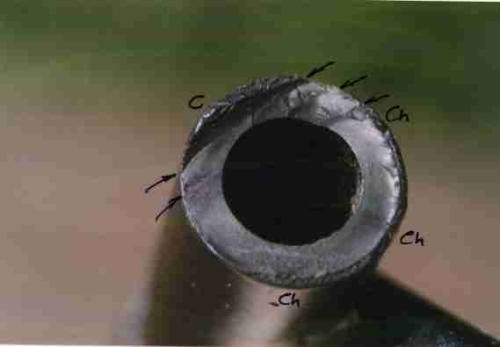
Close-up of the broken fuel pipe.
Engineering
Videos
Engineering is the practice of systematically applying natural science and mathematics to design and improve systems, devices, or processes that solve problems under constraints. It is typically motiv
Forensic engineering
…also deals with retracing processes and procedures leading to accidents in operation of vehicles or machinery. Generally, the purpose of a forensic engineering investigation is to locate cause or causes of failure with a view to improve performance or life of a component, or to assist a court in determining…
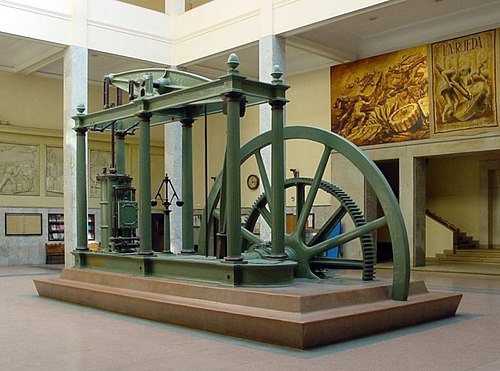
The steam engine, the major driver in the Industrial Revolution, underscores the importance of engineering in modern history. This beam engine is on display in the Technical University of Madrid.

The Ancient Romans built aqueducts to bring a steady supply of clean and fresh water to cities and towns in the empire.

A water-powered mine hoist used for raising ore, Germany, c. 1556

The application of the steam engine allowed coke to be substituted for charcoal in iron making, lowering the cost of iron, which provided engineers with a new material for building bridges. This bridge was made of cast iron, which was soon displaced by less brittle wrought iron as a structural material.