Formal wear
Videos
Formal wear or full dress is the Western dress code category applicable for the most formal occasions, such as weddings, christenings, confirmations, funerals, Easter and Christmas traditions, in addi
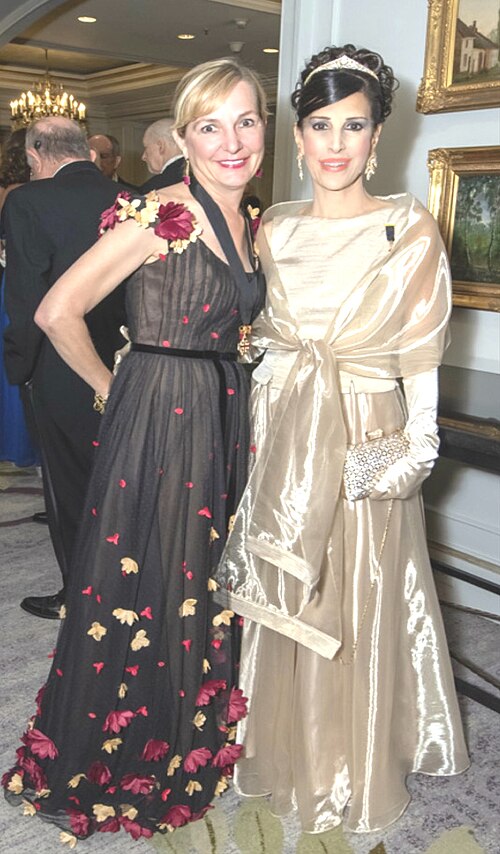
The woman on the left displays a more romantic modern approach and Lourett Russell Grant on the right wears the most formal dress with evening gloves.

Diplomatic reception in West Germany (1961); the Danish ambassador wears a red diplomatic uniform, the British ambassador a dark one.

First native Catholic parish priest from the Belgian Congo, wearing a Roman cassock with the standard 18 buttons (Gazet van Antwerpen, 2 September 1906)

Catholic Cardinal Tarcisio Bertone wearing a tropical white cassock trimmed in cardinalatial scarlet in Santo Domingo, Dominican Republic (2006)
Morning dress
Videos
Morning dress, also known as formal day dress, is the formal Western dress code for day attire, consisting chiefly of a morning coat, waistcoat, and formal trousers for men, and an appropriate gown fo
Formal wear
…the 1880s and the informal wear suit accepted by polite society from the 1920s. The dress codes counted as formal wear are the formal dress codes of morning dress for daytime and white tie for evenings. Although some consider strollers for daytime and black tie for the evening as formal, they are traditionally…

From right to left: Japanese emperor Hirohito, United States president Ronald Reagan and his wife Nancy in 1983, both men in morning coats with formal trousers, known as morning dress

Giuseppe Verdi (1813–1901) in 1844, wearing a double-breasted cutaway

Caricature of Henry Herbert, 4th Earl of Carnarvon in Vanity Fair, 11 September 1869

Morning dress fashion (middle), as opposed to frock coats (left and right) (1848)