Fort Loudoun (Tennessee)
Videos
Fort Loudoun was a British fort located in what is now Monroe County, Tennessee. Constructed from 1756 until 1757 to help garner Cherokee support for the British at the outset of the French and Indian
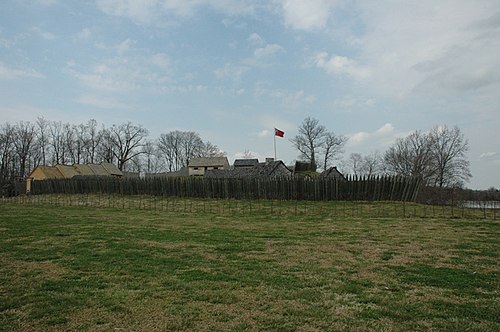
Fort Loudoun (20th-century reconstruction) from the outside

The reconstructed Fort Loudoun, showing key structures

Detail of the south entrance, with sentry box and chevaux de frise

The outer defenses of Fort Loudoun, with fascine wall and ditch planted with honey locust shrubs
Loudon, Tennessee
Videos
Loudon is a city in and the county seat of Loudon County, Tennessee, United States. Its population was 6,001 at the 2020 census. It is included in the Knoxville, Tennessee Metropolitan Statistical Are
Fort Loudoun (Tennessee)
…Several artifacts excavated from the blockhouse site are on display at the Fort Loudoun visitor center. Loudon County, Tennessee, and its county seat, Loudon, are both named for the fort (Loudon County borders Monroe County to the north). The Tennessee Valley Authority's Fort Loudoun Dam, which stands to the…

Loudon tn 1